
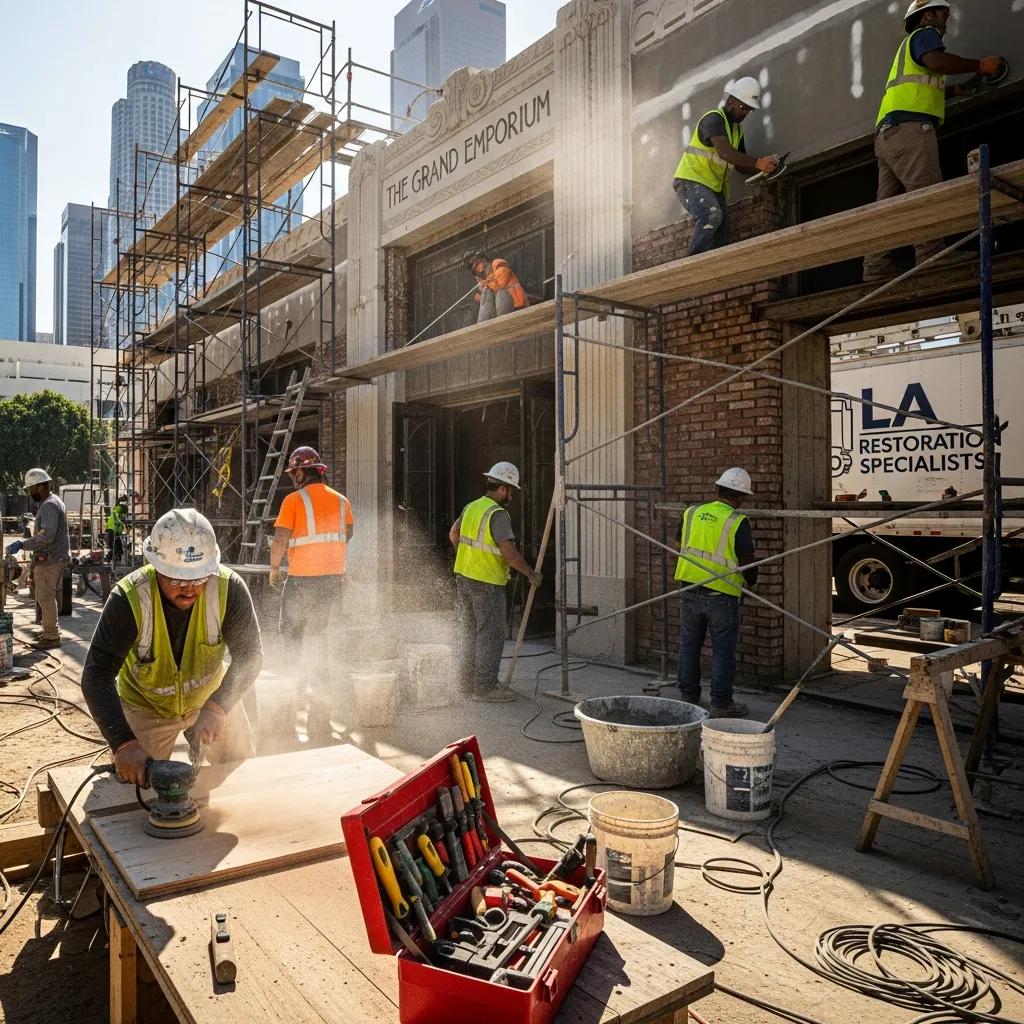
Commercial Property Restoration Case Studies in Los Angeles: Proven Outcomes and Emergency Solutions
In the realm of commercial property restoration, understanding the nuances of successful case studies can provide invaluable insights for property managers and business owners. This article delves into various commercial restoration case studies in Los Angeles, highlighting proven outcomes and emergency solutions that have effectively addressed significant property damage. Readers will learn about the key success stories in large loss restoration projects, the importance of rapid emergency response, and the role of insurance coordination in facilitating restoration efforts. By examining these elements, property managers can better navigate the complexities of restoration projects and ensure optimal outcomes for their facilities.
Understanding the systematic approaches to commercial building recovery, including damage assessment and financing, is fundamental to successful restoration outcomes.
Commercial Building Recovery & Damage Assessment Methodology
methodology in this study proposes to select the expected method of financing for commercial buildings with tornado-induced damage states for commercial buildings used in this study
Commercial building recovery methodology for use in community resilience modeling, WL Wang, 2023
What Are the Key Success Stories in Large Loss Restoration Projects?
Large loss restoration projects often present unique challenges that require specialized strategies and expertise. Successful case studies in this domain not only showcase effective restoration techniques but also highlight the impact on clients and the lessons learned throughout the process. These stories serve as a testament to the resilience of businesses and the effectiveness of professional restoration services.
How Did Go Green Restoration Handle Major Commercial Fire Damage?
Go Green Restoration Inc. faced a significant challenge when tasked with restoring a commercial property that had suffered extensive fire damage. The initial damage assessment revealed severe structural issues and widespread smoke damage. The restoration process involved a comprehensive approach, including debris removal, structural repairs, and smoke odor remediation. The outcome was a fully restored facility that not only met safety standards but also received positive feedback from the client regarding the efficiency and professionalism of the team. This case exemplifies the importance of thorough planning and execution in fire damage restoration.
What Are the Outcomes of Water Damage Remediation in Industrial Facilities?
Water damage remediation in industrial facilities can be complex due to the scale and nature of the operations involved. In one notable case, Go Green Restoration successfully addressed significant water damage caused by a burst pipe in a manufacturing plant. The restoration team implemented advanced drying techniques and moisture control measures, which resulted in minimal disruption to the client’s operations. Client satisfaction metrics indicated a high level of approval, with the facility returning to full functionality within a short timeframe. This case underscores the effectiveness of targeted remediation strategies in industrial settings.
How Do Emergency Restoration Services Ensure Rapid Response in Los Angeles?
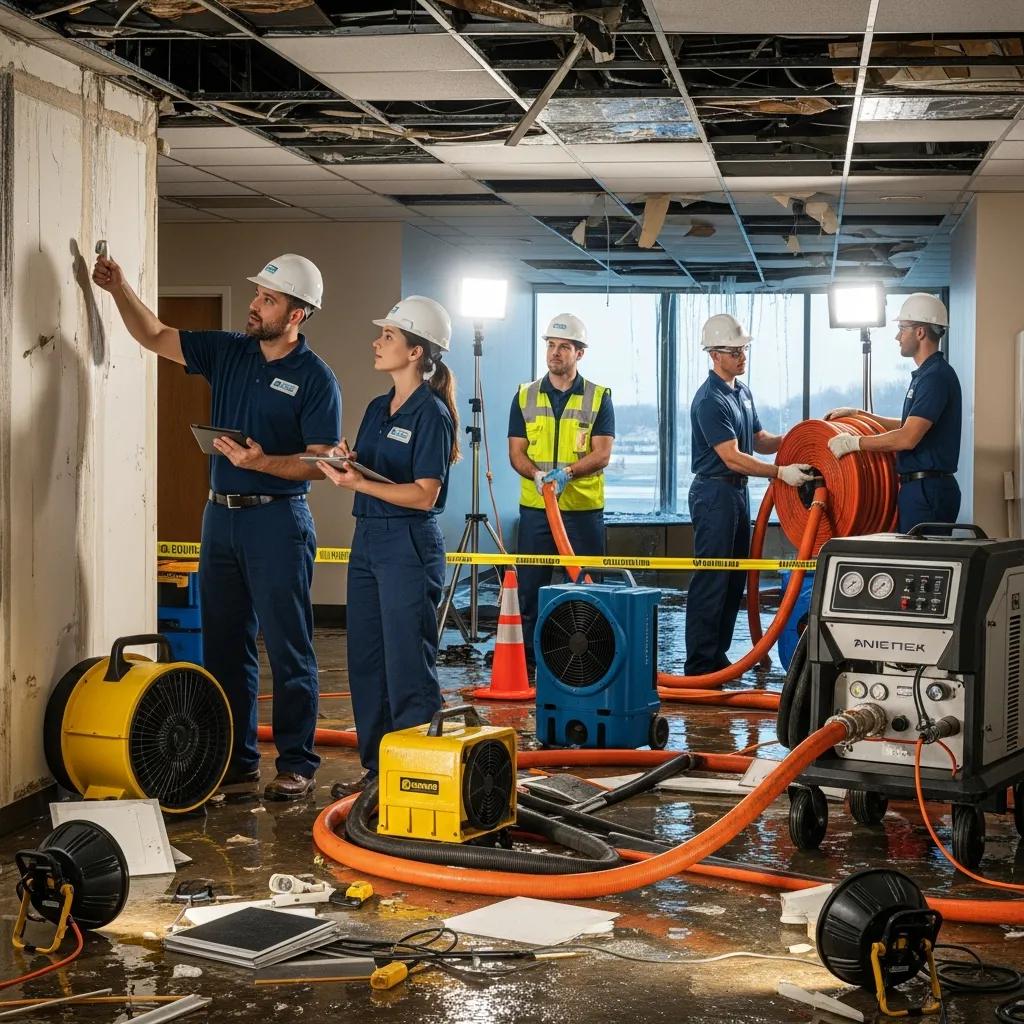
Emergency restoration services play a critical role in mitigating damage and ensuring swift recovery for commercial properties. The ability to respond quickly can significantly impact the overall success of a restoration project, making it essential for property managers to understand the dynamics of emergency response.
What Is the Typical Emergency Response Time for Commercial Restoration?
In Los Angeles, the typical emergency response time for commercial restoration services is often within 1-2 hours of the initial call. Factors affecting response times include the location of the property, the time of day, and the availability of resources. Clients expect prompt action to minimize damage, and restoration companies strive to meet these expectations through efficient logistics and well-trained teams.
Indeed, the speed of response is a universally acknowledged critical factor in the long-term success of commercial property reconstruction.
Rapid Emergency Response for Commercial Damage
contract, determined that rapid response is critical to term reconstruction of NAS Pensacola. Having CONCAP contracts precompeted provides a necessary bridge for rapid response.
A need for speed: Emergency damage response, 2006
How Does 24/7 Availability Impact Restoration Project Success?
The availability of 24/7 emergency restoration services is crucial for successful project outcomes. Round-the-clock service ensures that property damage is addressed immediately, reducing the risk of further complications such as mold growth or structural deterioration. Case examples demonstrate that businesses with access to 24/7 services experience quicker recovery times and higher client satisfaction rates. This availability not only enhances the restoration process but also builds trust with clients who rely on timely interventions.
Which Facility Damage Remediation Case Examples Demonstrate Effective Restoration?
Examining various facility damage remediation case examples reveals the diverse approaches and techniques employed in successful restoration projects. These examples highlight the importance of tailored strategies that address specific types of damage.
How Are Mold and Water Damage Remediation Projects Executed Successfully?
Successful execution of mold and water damage remediation projects involves a systematic approach that includes thorough inspections, containment measures, and specialized cleaning techniques. In one case, Go Green Restoration effectively managed a mold outbreak in a commercial building by implementing a comprehensive remediation plan that included air quality testing and the use of advanced dehumidification equipment. The project concluded with a safe and healthy environment for the occupants, demonstrating the effectiveness of proactive measures in mold remediation.
What Technologies Enhance Facility Restoration Outcomes?
Innovative technologies play a pivotal role in enhancing facility restoration outcomes. Techniques such as thermal imaging for moisture detection and advanced drying equipment significantly improve the efficiency and effectiveness of restoration efforts. For instance, Go Green Restoration utilized state-of-the-art equipment in a recent water damage project, resulting in faster drying times and reduced overall restoration costs. These technological advancements not only streamline the restoration process but also contribute to better long-term results for clients.
How Does Insurance and Claims Support Facilitate Commercial Restoration?
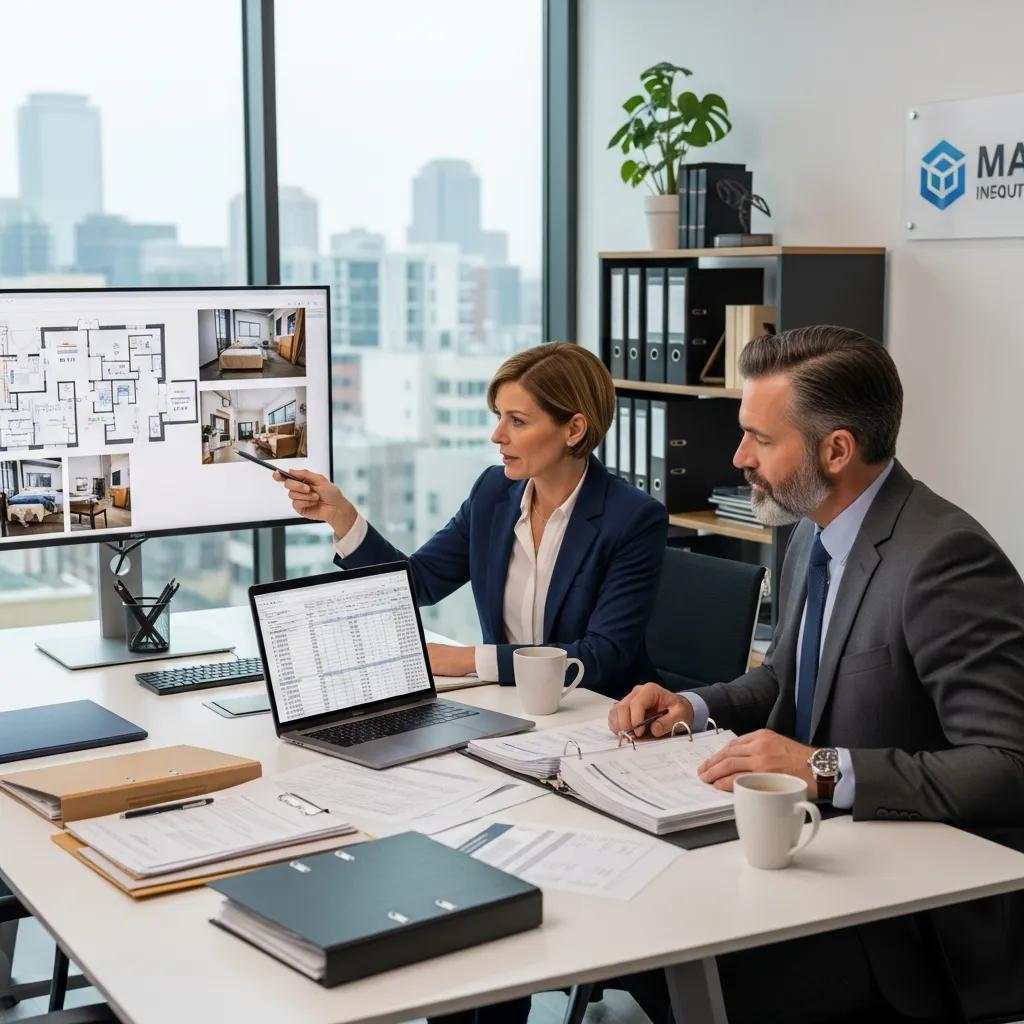
Navigating the complexities of insurance and claims support is a critical aspect of commercial restoration. Understanding the role of insurance coordination can significantly impact the success of restoration projects.
What Role Does Insurance Coordination Play in Large Loss Restoration?
Insurance coordination is essential in large loss restoration cases, as it ensures that all parties are aligned and that claims are processed efficiently. Go Green Restoration works closely with insurance adjusters to facilitate smooth communication and expedite the claims process. This collaboration helps clients receive timely financial support for their restoration needs, ultimately leading to quicker recovery times and reduced stress during the restoration process.
Beyond immediate claims processing, the broader role of insurance extends to fostering partnerships and incentivizing proactive measures for catastrophic loss reduction.
Insurance & Partnerships for Catastrophic Property Loss Reduction
Public–private partnerships can encourage investment in protective measures prior to a disaster, deal with affordability problems and provide coverage for catastrophic risks. Insurance premiums based on risk provide signals to residents and businesses as to the hazards they face and enable insurers to lower premiums for properties where steps have been taken to reduce risk.
The role of insurance in reducing losses from extreme events: The need for public–private partnerships, 2015
How Can Property Managers Navigate Claims During Restoration Projects?
Property managers can navigate claims during restoration projects by maintaining clear communication with their restoration service provider and insurance company. It is crucial to document all damage thoroughly and keep records of all communications and expenses related to the restoration. By following best practices and leveraging the expertise of restoration professionals, property managers can ensure a smoother claims process and minimize potential delays in restoration efforts.