Choosing a Mold Removal Company in Walnut: A Homeowner's Guide to Professional Remediation
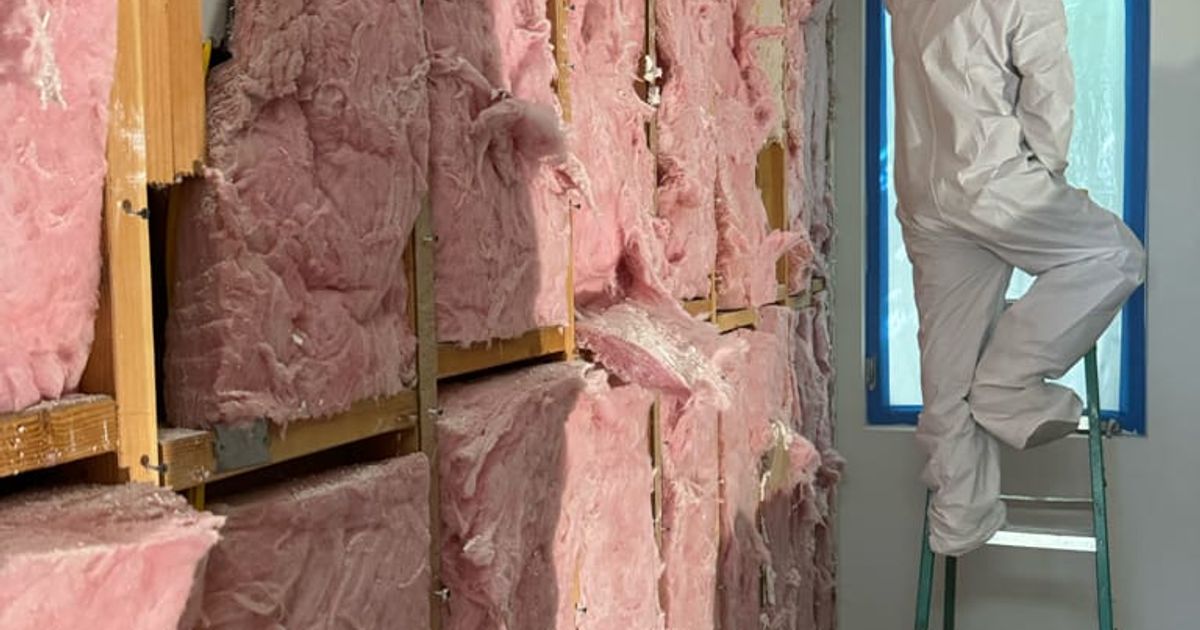
Expert guide for Walnut, CA homeowners on selecting certified mold remediation companies. Learn about testing, containment, and verification protocols.
Walnut's unique hillside geography and aging housing stock from the 1970s and 1980s create specific challenges for homeowners dealing with mold issues. Properties along the slopes near Mt. San Antonio College and throughout Walnut Valley face increased water intrusion risks during Southern California's rainy seasons, while homes in South Hills Country Club may experience moisture problems from irrigation runoff and poor drainage patterns common to the area's terrain.
The combination of Walnut's inland climate—with hot summers that overwork HVAC systems—and the city's elevation changes means moisture can accumulate in unexpected places. When mold remediation in Walnut becomes necessary, selecting the right company requires understanding both the technical aspects of professional remediation and the specific environmental factors affecting properties in ZIP codes 91788 and 91789.
Essential Certifications and Licensing Requirements
Professional mold remediation companies serving Walnut must hold specific certifications that demonstrate their expertise in handling California's strict environmental regulations. Look for contractors certified by the Institute of Inspection, Cleaning and Restoration Certification (IICRC) in Applied Microbial Remediation Technician (AMRT) protocols. This certification ensures technicians understand the science behind mold growth patterns common in Walnut's climate, where temperature fluctuations between the hills and valleys create condensation issues in many homes.
California contractors must also maintain proper licensing through the Contractors State License Board. For mold work exceeding $500, companies need either a C-61 Limited Specialty or appropriate general contracting license. Given Walnut's proximity to industrial areas like the City of Industry, some properties may require additional hazardous materials handling certifications, particularly for older homes that might contain asbestos or other materials requiring special protocols during remediation work.
Verify that potential contractors carry adequate insurance coverage, including general liability and pollution liability insurance. Walnut's hillside properties present unique access challenges that increase liability risks, making proper insurance coverage essential for protecting homeowners during the remediation process.
Professional Testing and Assessment Protocols
Reliable mold remediation begins with thorough testing that accounts for Walnut's specific environmental conditions. Professional companies should conduct both air sampling and surface testing, paying particular attention to areas where Walnut's hilly terrain creates moisture accumulation patterns. Properties near Suzanne Park or along the slopes leading toward Diamond Bar often experience different airflow patterns that affect mold spore distribution throughout homes.
Testing protocols should include moisture mapping using thermal imaging cameras to identify hidden water sources behind walls and under flooring. Walnut's aging infrastructure means many homes have plumbing systems installed 30-40 years ago that may have developed slow leaks within wall cavities. Professional assessment must also evaluate HVAC systems, which work harder in Walnut's inland heat and may develop condensation problems in ductwork running through unconditioned spaces.
Expected testing should produce detailed reports identifying mold species, spore concentrations, and moisture sources. Companies familiar with Walnut properties understand that hillside homes often have unique drainage issues requiring specialized solutions beyond standard remediation protocols.
Proper Containment and Remediation Practices
Effective mold remediation in Walnut requires containment strategies adapted to the area's housing styles and environmental conditions. Most homes in Walnut Valley and South Hills Country Club feature open floor plans popular in 1970s-80s construction, requiring careful containment planning to prevent cross-contamination during remediation work.
Professional containment involves establishing negative air pressure systems using HEPA filtration units rated for the square footage being treated. Companies should seal off work areas with 6-mil plastic sheeting and create airlocks for technician entry and exit. Given Walnut's position between West Covina and Rowland Heights, wind patterns can affect containment effectiveness, requiring contractors familiar with local conditions to adjust their setup accordingly.
Remediation work should follow EPA guidelines for safe mold removal, including proper disposal of contaminated materials at approved facilities. Walnut's location provides access to several certified disposal sites, but contractors should demonstrate knowledge of proper transportation and disposal procedures required by Los Angeles County regulations.
Post-Remediation Verification and Testing
Successful mold remediation requires independent verification that work meets industry standards and addresses the underlying moisture problems common to Walnut properties. Post-remediation testing should be conducted by third-party certified industrial hygienists, not the remediation company itself, to ensure unbiased results.
Verification testing typically occurs 24-48 hours after remediation completion, allowing sufficient time for airborne spore counts to stabilize. Testing should demonstrate that spore levels have returned to normal background levels comparable to outdoor air samples taken from Walnut's surrounding areas. Properties on slopes may require additional testing points due to varying air circulation patterns created by the terrain.
Contractors should provide detailed documentation of all remediation work, including before and after photos, air quality test results, and warranties for their work. Go Green Restoration Inc, serving Walnut and surrounding Los Angeles County communities, emphasizes the importance of this verification process to ensure long-term success of remediation efforts.
## Related Articles
Learn more about restoration services in Walnut:
When interviewing mold remediation companies, ask specific questions about their experience with Walnut's unique property challenges. Inquire about their approach to hillside drainage issues and how they address moisture problems in homes built during the area's major development period of the 1970s and 1980s.
Request references from recent projects in Walnut or similar hillside communities like Pomona or Diamond Bar. Ask about their protocol for protecting landscaping and outdoor areas during remediation, particularly important for properties in South Hills Country Club where extensive landscaping investments are common.
Determine their timeline for project completion and how they handle unexpected discoveries, such as additional water damage or structural issues common in older Walnut properties. Understanding their change order process and pricing structure helps avoid surprises during remediation work.
Finally, confirm their availability for emergency services, as Walnut's hillside location can create sudden moisture intrusion during heavy rains that require immediate professional response to prevent extensive mold growth in the area's warm, humid conditions following storm events.
Need Professional Help?
Go Green Restoration provides 24/7 emergency services throughout Los Angeles and Ventura Counties. Licensed (#1005708), bonded, and insured.