How Duarte's Climate Creates Mold-Friendly Conditions
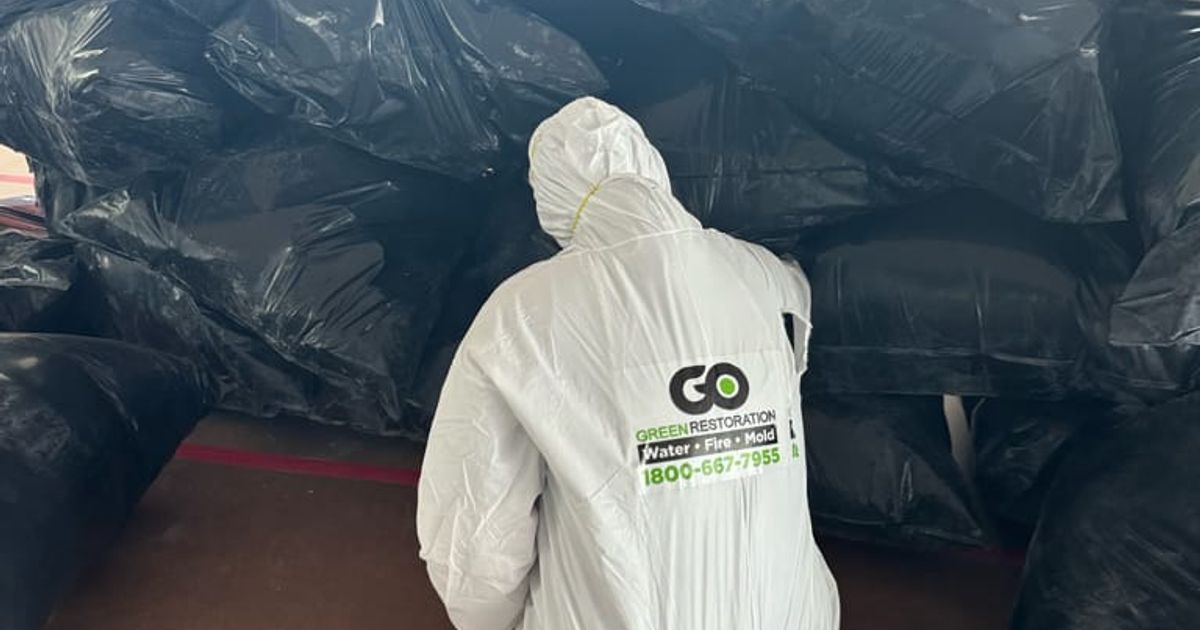
Learn how Duarte's foothill climate, marine layer, and seasonal patterns create ideal mold growth conditions in homes near the San Gabriel Mountains.
Duarte's unique position at the base of the San Gabriel Mountains creates a perfect storm of environmental conditions that promote mold growth in residential properties. The city's foothill microclimate, combined with its proximity to both mountain moisture and coastal marine layers, establishes year-round humidity patterns that many homeowners don't fully understand. Properties in neighborhoods like Duarte Mesa and Royal Oaks experience these climate-driven moisture challenges differently than homes in flatter areas of Los Angeles County, making professional mold remediation in Duarte an essential service for maintaining healthy indoor environments.
The marine layer that rolls inland from the Pacific Ocean regularly reaches Duarte, especially during late spring and early summer months. This moisture-laden air mass settles against the San Gabriel Mountains, creating overnight humidity levels that can exceed 80% in areas near Encanto Park and the foothills. Unlike coastal communities where marine layer burns off quickly, Duarte's mountain-backed location traps this moisture longer into the morning hours, giving mold spores extended periods of ideal growing conditions.
Marine Layer Impact on Duarte Properties
The marine layer affects Duarte homes differently depending on their elevation and proximity to the mountains. Properties in the Beardslee area, situated in the lower elevations, often experience prolonged exposure to marine layer moisture as it pools in the natural basin formation. This creates consistently high humidity levels in crawl spaces, basements, and lower-level rooms from May through September. Homeowners frequently notice increased condensation on windows and walls during these months, particularly in homes built during the 1960s-70s construction boom when vapor barriers and modern ventilation systems weren't standard.
The marine layer also interacts with Duarte's urban heat island effect, creating temperature differentials that lead to condensation issues. As the sun heats rooftops and concrete surfaces around City of Hope Medical Center and residential areas, the cooler marine layer air creates perfect conditions for water vapor to condense on cooler surfaces inside homes. This phenomenon is particularly problematic in ZIP codes 91010 and 91008, where older homes lack adequate insulation and modern HVAC systems.
Seasonal Moisture Patterns and Mold Growth
Duarte experiences distinct seasonal moisture patterns that create multiple mold growth opportunities throughout the year. Winter rains, often intensified by the mountain barrier effect, can dump significant amounts of water in short periods. The 2016 Fish Fire aftermath demonstrated how wildfire-damaged slopes above Duarte channel rainwater and debris toward residential areas, creating flooding and moisture intrusion problems that persist long after storms pass.
Spring months bring a combination of late-season rains and increasing temperatures, creating the warm, moist conditions mold thrives in. Properties along the mountain edge in Royal Oaks often experience this seasonal transition most dramatically, as warming slopes release moisture while cool air masses still bring precipitation. Summer's dry heat might seem to eliminate mold concerns, but it actually drives moisture deeper into building materials, where it can support hidden mold growth in wall cavities and structural elements.
Fall presents unique challenges as Santa Ana winds can suddenly shift humidity levels and drive moisture into unexpected areas of homes. These hot, dry winds create pressure differentials that can force humid air from crawl spaces and basements into living areas, spreading mold spores throughout properties.
HVAC Condensation Issues in Duarte's Climate
Duarte's temperature variations create significant challenges for residential HVAC systems, leading to condensation problems that fuel mold growth. The daily temperature swings common in foothill communities - often 30-40 degrees between overnight lows and afternoon highs - cause HVAC systems to work harder and produce more condensation than systems in more stable climates.
Air conditioning units in Duarte homes frequently develop condensation issues in ductwork that runs through unconditioned spaces like attics and crawl spaces. The extreme attic temperatures common in ZIP code 91009, combined with the marine layer's overnight humidity, create perfect conditions for condensation to form inside ducts. This moisture then provides an ideal environment for mold growth that can spread throughout the home's air distribution system.
Many Duarte properties still use original ductwork from the 1960s-70s construction era, which often lacks proper insulation and vapor barriers. These older systems are particularly vulnerable to condensation problems during the transition seasons when outdoor temperatures fluctuate dramatically. Homeowners in the Duarte Mesa area frequently report musty odors from their HVAC systems during spring and fall months, indicating mold growth within the ductwork.
Wildfire and Weather Pattern Interactions
The wildfire risk that defines much of Duarte's foothill character creates additional mold-friendly conditions through its interaction with weather patterns. Post-fire landscapes above residential areas become hydrophobic, meaning they repel water rather than absorbing it. This effect, clearly demonstrated after the Fish Fire, channels rainwater rapidly toward homes, creating flooding and moisture intrusion that can persist for months.
Wildfire damage to vegetation also changes local humidity patterns. Areas that once had trees and shrubs providing natural moisture regulation become bare slopes that create heat islands during the day and rapid cooling at night. This amplifies the temperature swings that contribute to condensation problems in nearby homes.
The debris flow risk that accompanies post-fire rainstorms brings additional moisture challenges. Properties that experience even minor debris flow impacts often have compromised drainage systems and moisture barriers, creating long-term mold growth conditions. Go Green Restoration has observed that homes affected by debris flows frequently develop mold problems in unexpected areas months or even years after the initial impact.
Protecting Your Duarte Home from Climate-Driven Mold
Understanding Duarte's unique climate challenges allows homeowners to take proactive steps to prevent mold growth. Regular inspection of areas where marine layer moisture accumulates - particularly basements, crawl spaces, and north-facing walls - can catch problems early. Installing proper ventilation in these areas becomes especially important given the extended periods of high humidity.
Maintaining HVAC systems becomes essential in Duarte's variable climate. Regular duct cleaning and ensuring proper insulation around ductwork can prevent the condensation issues that lead to mold growth. Upgrading older systems to include humidity control features can significantly reduce mold risk during the marine layer season.
Property drainage takes on added importance in Duarte's post-wildfire landscape. Ensuring gutters, downspouts, and foundation drainage systems can handle the intense runoff common after fires helps prevent the moisture intrusion that creates long-term mold problems. Regular maintenance of these systems, particularly before winter rains, provides the best protection against climate-driven mold growth.
For more information, visit our mold resources.
Need Professional Help?
Go Green Restoration provides 24/7 emergency services throughout Los Angeles and Ventura Counties. Licensed (#1005708), bonded, and insured.