How Paramount's Climate Creates Mold-Friendly Conditions
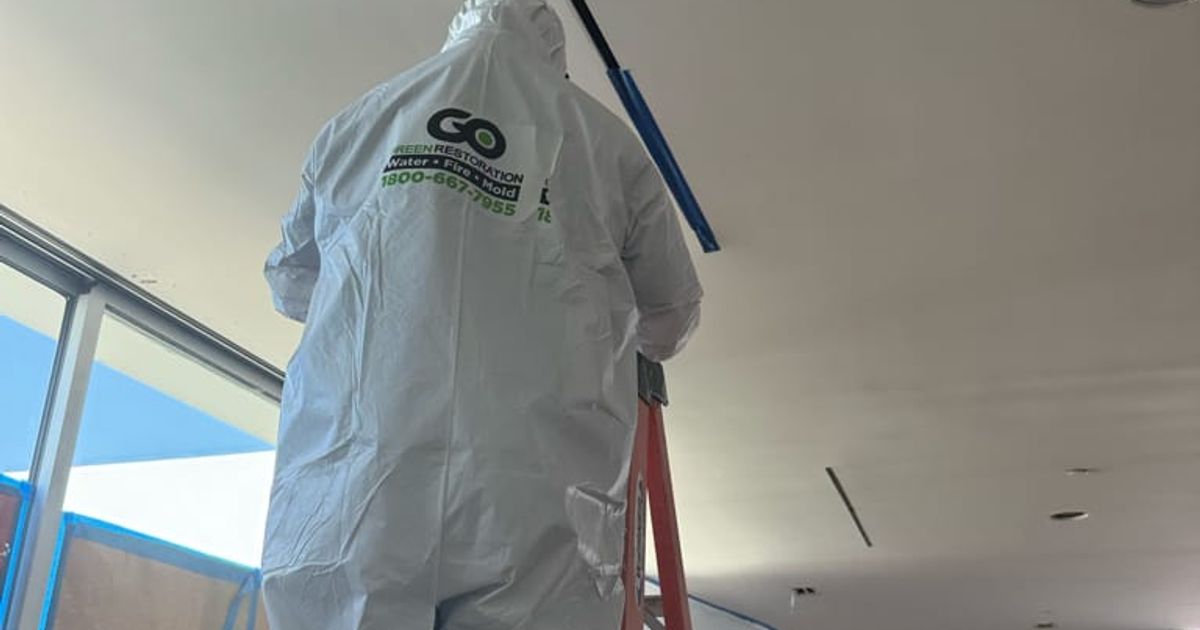
Discover why Paramount's marine layer, aging infrastructure, and flat terrain create perfect conditions for mold growth in homes throughout the 90723 area.
Understanding Paramount's Unique Moisture Challenges
Paramount's location in the Los Angeles Basin creates a perfect storm of conditions that promote mold growth in residential properties. The city's flat terrain, combined with its proximity to the Pacific Ocean just 15 miles southwest, subjects homes in neighborhoods like Paramount Park and Clearwater to persistent moisture challenges that many homeowners don't fully understand. The marine layer that regularly blankets the area during summer months brings sustained humidity levels that can penetrate building materials, while the city's aging housing stock from the 1950s and 1960s often lacks modern moisture barriers that newer construction includes.
The 90723 zip code area experiences a Mediterranean climate with a twist – the marine influence creates microclimates where moisture can linger longer than in inland communities. Professional mold remediation in Paramount becomes necessary when these environmental factors combine with the city's infrastructure challenges. Go Green Restoration Inc has observed that homes near Progress Park and the industrial corridors often face additional moisture stress due to the combination of natural weather patterns and urban heat island effects.
Marine Layer Impact on Indoor Air Quality
The marine layer that regularly moves inland from the Pacific Ocean creates extended periods of elevated humidity throughout Paramount. Unlike the brief morning fog experienced in coastal areas, this moisture-laden air mass can persist for hours, particularly during late spring and early summer months. Homes in the Clearwater neighborhood often experience condensation on windows, walls, and other surfaces as warm indoor air meets cooler exterior surfaces influenced by the marine layer.
This phenomenon becomes particularly problematic in Paramount's older homes, where single-pane windows and minimal insulation create thermal bridges. The temperature differential between indoor and outdoor environments during marine layer events can cause water vapor to condense within wall cavities, creating hidden moisture problems that fuel mold growth. Residents near the Los Angeles River corridor, which runs along Paramount's eastern border, notice this effect more intensely due to the additional moisture source and cooler temperatures that the waterway creates.
Seasonal Moisture Patterns and Building Vulnerability
Paramount experiences distinct seasonal moisture patterns that create varying mold risks throughout the year. Winter storms bring intense rainfall that tests the city's aging storm drain infrastructure, particularly in areas near Paramount Park where older residential streets can experience temporary flooding. The city's flat topography means that water doesn't drain quickly, and homes with aging foundations or compromised grading can experience moisture intrusion during these events.
Spring months present a different challenge as warming temperatures increase evaporation from wet surfaces, raising indoor humidity levels in homes that experienced winter moisture problems. The transition from winter rains to summer heat creates ideal conditions for mold spores to activate and spread, especially in homes with poor ventilation. Properties built in the 1960s and earlier often lack adequate vapor barriers and modern HVAC systems, making them particularly vulnerable during these seasonal transitions.
HVAC Systems and Condensation Problems
Paramount's climate demands year-round HVAC operation, but many homes still rely on older heating and cooling systems that weren't designed for the area's specific humidity challenges. The temperature swings between marine layer mornings and warm afternoons create constant condensation cycles within ductwork and air handling units. Homes in the industrial areas near the 710 Freeway experience additional stress on HVAC systems due to air quality concerns that require more frequent air filtration and circulation.
Aging ductwork in Paramount's older homes often lacks proper insulation, creating condensation points where cool, conditioned air meets warm surfaces in attics and crawl spaces. This problem intensifies during summer months when the marine layer keeps exterior temperatures moderate while interior cooling systems work to maintain comfort levels. The result is persistent moisture within building systems that creates ideal breeding grounds for mold, particularly in areas where homeowners rarely inspect, such as return air plenums and secondary ducts serving bedrooms and bathrooms.
Infrastructure Age and Moisture Intrusion
The mid-20th century housing stock that dominates Paramount presents unique mold risks due to aging building materials and construction methods. Homes built between 1950 and 1970 often feature galvanized steel plumbing that has reached the end of its useful life, creating slow leaks within walls that may go undetected for months or years. The flat or low-slope roofs common in this era are particularly vulnerable to moisture intrusion, especially when combined with Paramount's seasonal weather patterns.
Sewer line problems compound these issues, as the city's aging infrastructure experiences frequent backups and overflows during heavy rainfall events. Properties near the older sections of Paramount Boulevard and surrounding residential streets face increased risk due to root intrusion in clay sewer pipes installed decades ago. When these systems fail, the resulting moisture creates extensive mold problems that require professional remediation to address both the visible growth and hidden contamination within building materials.
## Related Articles
Learn more about restoration services in Paramount:
- Choosing a Mold Removal Company in Paramount: A Homeowner's Guide
- Mold Remediation Insurance Coverage in Paramount: A Homeowner's Guide to Claims and Coverage
Successful mold prevention in Paramount requires understanding the specific environmental factors that affect the area. Homeowners should focus on maintaining proper ventilation during marine layer events, using exhaust fans in bathrooms and kitchens to remove excess moisture before it can condense on surfaces. Regular inspection of older plumbing systems, particularly in homes near Progress Park and other areas with mature landscaping, can identify potential leaks before they create extensive moisture problems.
Upgrading insulation and sealing air leaks becomes particularly important in Paramount's climate, where temperature differentials between indoor and outdoor environments create condensation risks. Properties in the 90723 area benefit from whole-house dehumidification systems during summer months when the marine layer maintains elevated humidity levels for extended periods. Regular HVAC maintenance, including duct cleaning and proper insulation of air handling equipment, helps prevent the condensation problems that lead to mold growth in Paramount's unique climate conditions.
Need Professional Help?
Go Green Restoration provides 24/7 emergency services throughout Los Angeles and Ventura Counties. Licensed (#1005708), bonded, and insured.