How West Covina's Climate Creates Mold-Friendly Conditions
Discover how West Covina's San Gabriel Valley climate, marine layer, and aging homes create perfect conditions for mold growth in your home.
West Covina's position in the San Gabriel Valley creates a unique microclimate that homeowners should understand, especially when it comes to moisture-related problems in their homes. The city's elevation of approximately 800 feet above sea level, combined with its inland location, results in dramatic temperature swings that can lead to condensation issues throughout neighborhoods like South Hills and the Eastland Center Area.
The marine layer that frequently blankets the San Gabriel Valley during late spring and early summer months brings elevated humidity levels that penetrate deep into West Covina's residential areas. This moisture-laden air mass, which often lingers until late morning around ZIP codes 91790 through 91793, creates ideal conditions for mold spores to take hold in homes. When residents need professional mold remediation in West Covina, it's often because this persistent marine layer has contributed to moisture accumulation in poorly ventilated spaces.
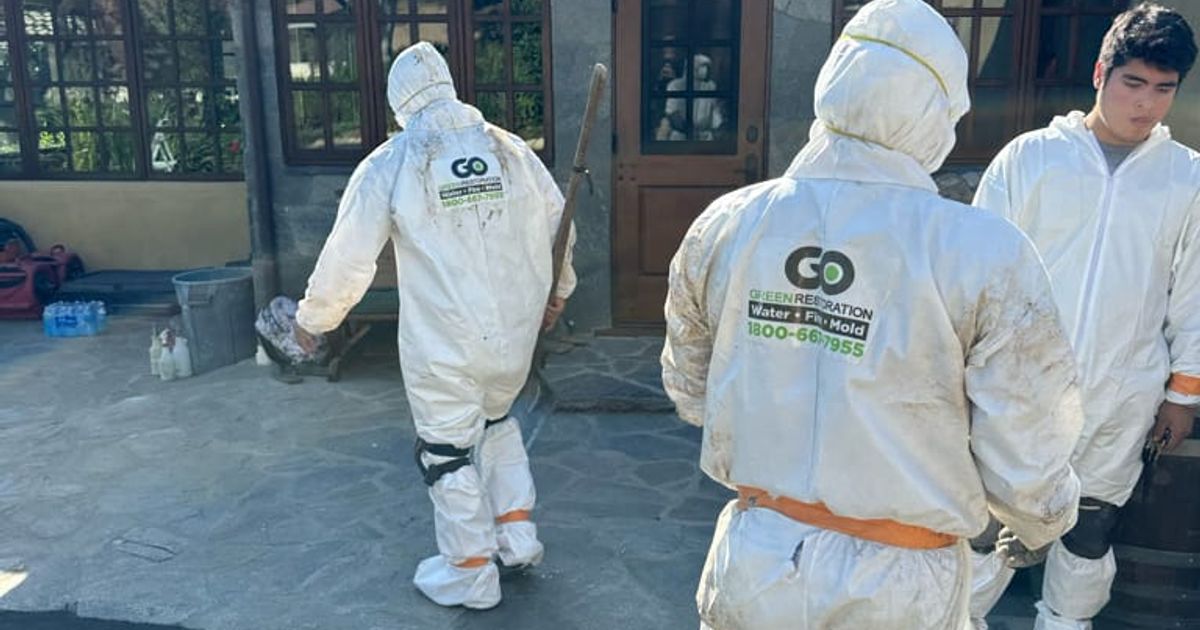
Go Green Restoration Inc has observed that West Covina's climate patterns, combined with the area's housing stock, create particularly challenging conditions for mold prevention. The company's experience with local properties reveals how the city's specific weather patterns interact with home construction to create moisture problems that many homeowners don't recognize until mold growth becomes visible.
Marine Layer Impact on West Covina Homes
The marine layer that rolls in from the Pacific Ocean doesn't dissipate as quickly in West Covina as it does in coastal areas, creating prolonged periods of elevated humidity. Properties near the West Covina Civic Center and throughout the West Covina Parkway corridor experience this phenomenon regularly from May through August. During these months, outdoor humidity levels can remain above 70% well into the morning hours, allowing moisture to penetrate building materials through windows, doors, and ventilation systems.
Homes in the South Hills area face additional challenges because the elevated terrain can trap marine layer moisture against hillsides, creating microclimates with even higher humidity levels. This trapped moisture often condenses on cooler surfaces inside homes, particularly in bathrooms, laundry rooms, and basements where ventilation may be inadequate. The temperature differential between the cool marine air and warmer interior surfaces creates perfect conditions for condensation, which then provides the moisture mold needs to establish colonies.
Seasonal Moisture Patterns and Mold Growth
West Covina experiences distinct seasonal moisture patterns that directly influence mold growth potential. The city's Mediterranean climate brings wet winters followed by hot, dry summers, but it's the transition periods that create the most problematic conditions for homeowners. During late winter and early spring, properties throughout ZIP codes 91791 and 91792 often experience roof leaks as aging materials expand and contract with temperature fluctuations.
The rainy season, typically lasting from December through March, saturates the ground around West Covina homes, leading to increased foundation moisture and potential basement or crawl space problems. Properties built in the 1960s and 1970s, which make up a significant portion of the housing stock near Eastland Center, often lack modern moisture barriers and drainage systems. When spring arrives and temperatures begin to rise, this accumulated moisture creates ideal conditions for mold growth in wall cavities, under flooring, and in other hidden areas.
Summer months bring their own moisture challenges as irrigation systems throughout West Covina's suburban neighborhoods create localized humidity spikes. The combination of sprinkler overspray and poor drainage around foundations can lead to chronic moisture problems that persist even during the typically dry summer season.
HVAC Condensation Issues in San Gabriel Valley Heat
West Covina's location in the San Gabriel Valley subjects the city to extreme summer temperatures that regularly exceed 100°F, placing enormous strain on residential HVAC systems. Air conditioning units working overtime to combat the intense heat generate significant amounts of condensation, particularly in homes throughout the Eastland Center Area and other densely populated neighborhoods where units may be oversized or improperly maintained.
The temperature differential between scorching outdoor air and aggressively cooled indoor spaces creates substantial condensation within ductwork and around AC units. Many West Covina homes built during the suburban expansion of the 1960s and 1970s have ductwork that runs through unconditioned spaces like attics or crawl spaces, where extreme temperature differences can cause moisture to condense and drip onto insulation or building materials.
Properties in ZIP code 91793, which includes many newer developments, often fare better due to improved HVAC design and installation practices. However, even these homes can experience condensation problems when systems are not properly sized for the extreme heat conditions common in the San Gabriel Valley.
## Related Articles
Learn more about restoration services in West Covina:
West Covina's specific weather patterns require homeowners to take proactive measures during certain times of the year. The city's position creates unique wind patterns that can drive moisture into building envelope gaps, particularly during the transition from marine layer conditions to hot, dry Santa Ana wind events. These rapid weather changes can cause building materials to expand and contract quickly, creating entry points for moisture.
The area's mature tree canopy, while providing valuable shade and aesthetic appeal, can also contribute to mold-friendly conditions. Properties throughout the South Hills and established neighborhoods near the West Covina Civic Center often have large trees that block sunlight and air circulation, creating persistently damp conditions around foundations and exterior walls.
Homeowners can protect their properties by understanding these local climate patterns and timing maintenance activities accordingly. Installing proper ventilation in areas prone to moisture accumulation, maintaining HVAC systems before the extreme summer heat arrives, and ensuring adequate drainage around foundations becomes particularly important given West Covina's unique position in the San Gabriel Valley and its susceptibility to both marine layer moisture and extreme heat conditions.
Need Professional Help?
Go Green Restoration provides 24/7 emergency services throughout Los Angeles and Ventura Counties. Licensed (#1005708), bonded, and insured.