How Westlake Village's Climate Creates Mold-Friendly Conditions
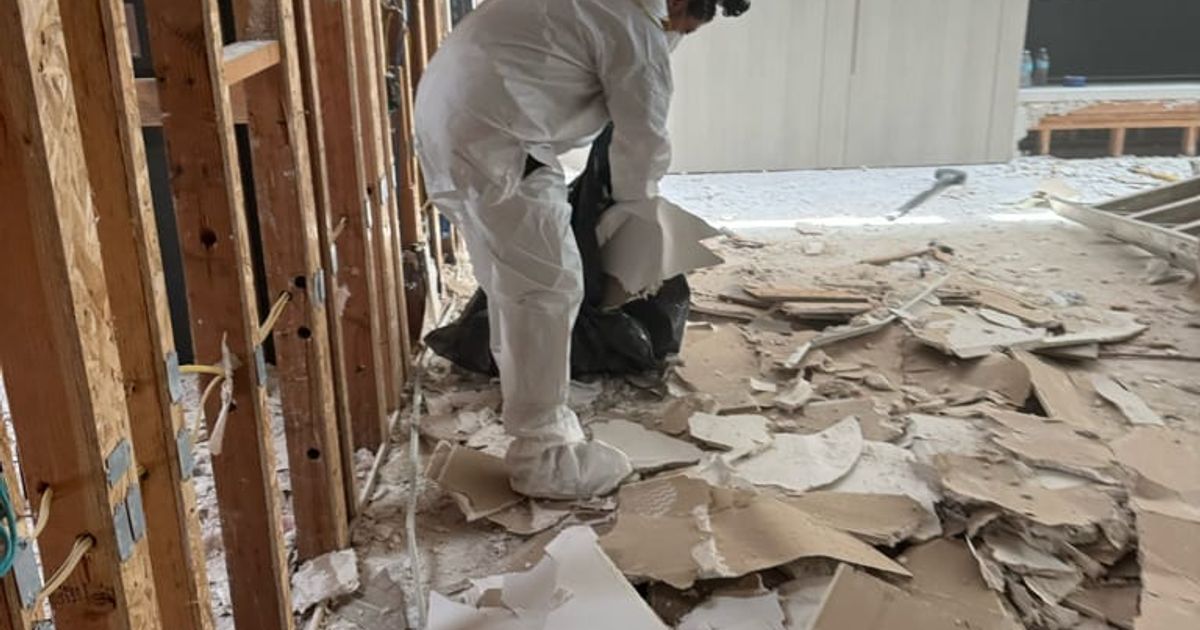
Discover how Westlake Village's marine layer, lake proximity, and seasonal weather patterns create ideal conditions for mold growth in your home.
Westlake Village's picturesque location between the Santa Monica Mountains and the San Fernando Valley creates a unique microclimate that many homeowners don't realize can foster mold growth. The community's position at approximately 1,000 feet elevation, combined with its proximity to Westlake Lake and the marine influence from the Pacific Ocean just 15 miles away, establishes atmospheric conditions that can trap moisture in homes throughout the 91359, 91361, and 91362 zip codes.
The lake-adjacent properties around Westlake Island and areas near the North Ranch Country Club experience particularly challenging moisture dynamics. Professional mold remediation in Westlake Village becomes necessary when homeowners underestimate how their local environment affects indoor air quality. Go Green Restoration Inc has observed that many residents in North Ranch and Lake Lindero discover mold issues only after noticing persistent musty odors or visible growth in their luxury homes' complex ventilation systems.
Marine Layer Impact on Westlake Village Homes
The marine layer that rolls inland from the Pacific Ocean regularly reaches Westlake Village, especially during late spring and early summer months. This phenomenon occurs when cool, moist ocean air moves eastward through the Santa Monica Mountains passes, settling into the Conejo Valley where Westlake Village sits. Unlike coastal communities that see the marine layer burn off quickly, Westlake Village's elevation and surrounding topography can trap this moisture-laden air for extended periods.
Properties in the lower elevations near Westlake Lake experience the most significant impact from marine layer intrusion. The cool, humid air condenses on surfaces throughout homes, particularly in areas with poor ventilation like bathrooms, laundry rooms, and basements. Homeowners in the Westlake Island neighborhood often notice increased humidity levels in their homes during June and July, when marine layer activity peaks. This persistent moisture creates ideal conditions for mold spores to germinate and establish colonies, especially in organic materials like drywall, wood framing, and carpet padding.
Seasonal Moisture Patterns and Mold Growth
Westlake Village experiences distinct seasonal moisture patterns that directly influence mold development in residential properties. The area's Mediterranean climate includes wet winters with average rainfall between 15-20 inches, concentrated primarily between December and March. However, the transition periods between seasons create the most problematic conditions for mold growth.
During autumn months, properties throughout North Ranch and areas backing up to the Santa Monica Mountains experience temperature fluctuations that cause condensation inside homes. Warm days followed by cool nights create conditions where moisture accumulates on windows, walls, and in poorly insulated areas. The Lake Lindero area, with its proximity to water features, maintains higher ambient humidity levels that extend the time surfaces remain damp.
Spring months bring additional challenges as rainfall decreases but humidity remains elevated. Homes with landscaping that includes extensive irrigation systems, common in Westlake Village's affluent neighborhoods, experience increased moisture infiltration through foundations and exterior walls. The combination of residual winter moisture and warming temperatures creates optimal conditions for mold growth in crawl spaces, attics, and wall cavities.
HVAC System Condensation Issues
The luxury homes characteristic of Westlake Village typically feature sophisticated HVAC systems that, paradoxically, can contribute to mold problems when not properly maintained. Properties in the 91359 and 91361 zip codes often include multi-zone climate control systems, whole-house air filtration, and complex ductwork that creates multiple opportunities for condensation accumulation.
Westlake Village's temperature variations require HVAC systems to work harder during seasonal transitions. When warm, humid air contacts cold ductwork or air handling units, condensation forms and can accumulate in areas where homeowners rarely inspect. The North Ranch area's larger custom homes frequently have extensive ductwork running through unconditioned spaces like attics and crawl areas, where temperature differentials are most pronounced.
Air conditioning systems working to combat the marine layer's humidity often create excess condensation that overwhelms drainage systems. Properties near Westlake Lake face particular challenges because ambient humidity levels remain elevated even when HVAC systems are operating efficiently. Condensate drains that become clogged or improperly installed can lead to water accumulation in utility rooms, closets, and wall cavities where mold can develop undetected.
Geographic Factors Amplifying Mold Conditions
Westlake Village's position on the border between Los Angeles and Ventura counties places it in a unique geographic situation that amplifies mold-friendly conditions. The community sits in a natural bowl formation surrounded by the Santa Monica Mountains to the south and rolling hills to the north, creating a microenvironment where moisture and humidity can become trapped.
The proximity to Thousand Oaks, Agoura Hills, and Calabasas means that weather patterns affecting these neighboring communities directly impact Westlake Village's atmospheric conditions. Wind patterns that carry moisture from the coast often stagnate in the Westlake Village area due to the surrounding topography, leading to prolonged periods of elevated humidity.
Properties built on the slopes surrounding Westlake Lake face additional challenges from groundwater seepage and poor drainage. The natural water table fluctuations, combined with irrigation runoff from the area's extensive landscaping, create conditions where moisture can infiltrate foundations and lower-level living spaces. Homes in the Westlake Island area, being closer to the water, experience year-round elevated humidity that requires constant vigilance to prevent mold establishment.
Prevention Strategies for Local Conditions
Understanding Westlake Village's specific climate challenges allows homeowners to implement targeted mold prevention strategies. Properties throughout the 91362 zip code benefit from enhanced ventilation systems that account for the area's unique moisture patterns. Installing humidity monitors in key areas like basements, attics, and rooms adjacent to bathrooms helps homeowners track conditions before mold problems develop.
Regular HVAC maintenance becomes even more important in Westlake Village's climate. Ensuring proper condensate drainage, cleaning air ducts annually, and replacing filters frequently helps prevent the moisture accumulation that leads to mold growth. Homeowners near the North Ranch Country Club and other areas with extensive landscaping should pay particular attention to exterior drainage and foundation moisture control.
Dehumidification systems designed for Westlake Village's specific humidity patterns can effectively control indoor moisture levels during peak marine layer activity and seasonal transitions. Properties experiencing persistent humidity issues may benefit from whole-house dehumidification systems that work in conjunction with existing HVAC equipment to maintain optimal indoor air quality year-round.
For more information, visit our mold resources.
Need Professional Help?
Go Green Restoration provides 24/7 emergency services throughout Los Angeles and Ventura Counties. Licensed (#1005708), bonded, and insured.