Common Mold Problems in Baldwin Park Homes and How to Spot Them
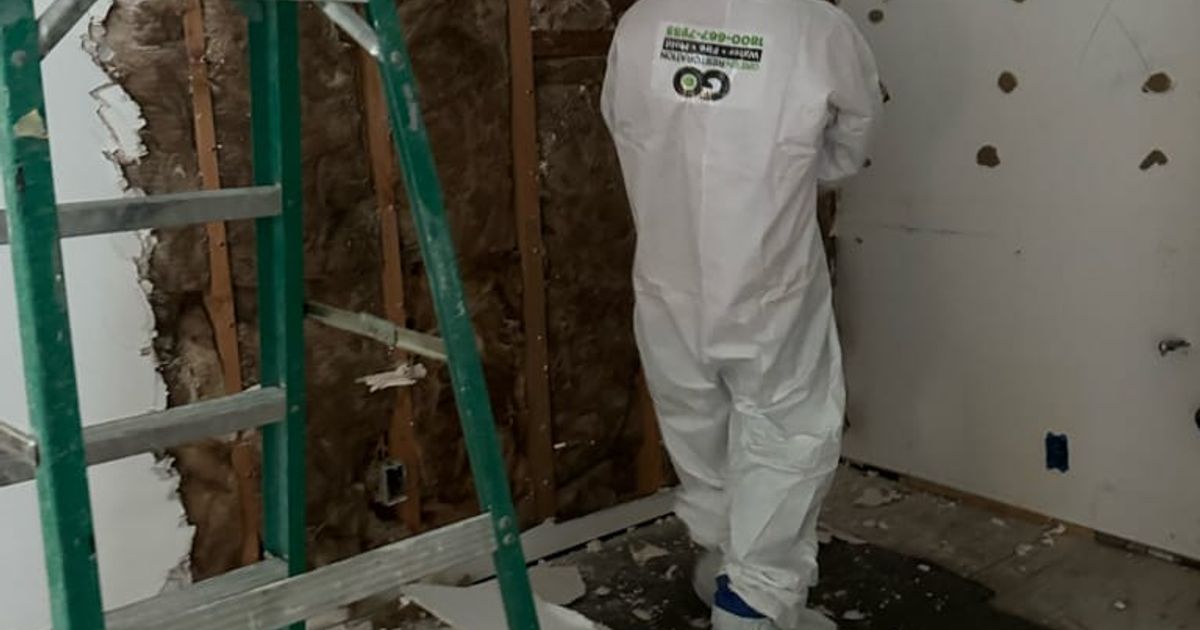
Learn to identify common mold issues in Baldwin Park's older homes, from HVAC condensation to plumbing leaks in 1950s-60s construction.
Understanding Baldwin Park's Unique Mold Challenges
Baldwin Park's residential landscape tells the story of post-war suburban development, with many homes in neighborhoods like Vineland and Big Dalton dating back to the 1950s and 1960s. These older homes, while charming and well-established, present specific mold risks that today's homeowners need to understand. The combination of aging infrastructure, original plumbing systems nearing replacement time, and the San Gabriel Valley's climate creates a perfect storm for moisture problems.
The city's location means residents deal with hot, dry summers that put enormous strain on HVAC systems, followed by cooler months where temperature fluctuations can cause condensation issues. When these climate factors meet homes with original building materials and aging systems, mold remediation in Baldwin Park becomes a common necessity for maintaining healthy indoor environments.
HVAC System Condensation Problems
Baldwin Park's summer temperatures regularly climb into the 90s, forcing air conditioning systems in older homes to work overtime. Many homes built in the 1950s and 1960s feature original ductwork that wasn't designed for modern cooling demands. This creates condensation problems in several key areas.
Attic spaces above homes near the Baldwin Park Transit Center area often show signs of mold growth around poorly insulated ducts. When cold air moves through uninsulated ductwork in superheated attics, condensation forms on the exterior of ducts and drips onto insulation and wooden framing. Homeowners should check attic spaces monthly during summer months, looking for water stains, musty odors, or visible dark spots on insulation.
Basement and crawl space areas in older Baldwin Park homes frequently develop mold around HVAC units themselves. The combination of poor ventilation and temperature differences creates ideal conditions for moisture accumulation. Black or green patches around air handlers, particularly on the drip pan or surrounding floor areas, indicate active mold growth that requires immediate attention.
Plumbing-Related Mold Growth
The aging plumbing infrastructure throughout Baldwin Park's established neighborhoods creates numerous opportunities for water damage and subsequent mold growth. Homes in the Vineland area, many approaching 70 years old, often have original galvanized pipes that develop pinhole leaks over time.
Kitchen and bathroom areas show the most frequent mold problems related to plumbing failures. Behind kitchen sinks, particularly in homes with original cabinets, slow leaks from supply lines or drain connections create hidden moisture problems. Homeowners should regularly check under sinks for soft spots in flooring, water stains on cabinet backs, or musty odors that indicate moisture accumulation.
Bathroom mold extends beyond typical shower and tub areas in older Baldwin Park homes. Original bathroom ventilation in 1950s construction often proves inadequate for modern usage patterns. Areas around toilets, particularly where flooring meets walls, frequently show signs of moisture damage from poor sealing or minor leaks that go unnoticed for months.
Sewer Line and Foundation Issues
Baldwin Park's mature neighborhoods face increasing problems with aging sewer lines, particularly in areas with large trees near Morgan Park and throughout the Big Dalton neighborhood. Root intrusion into original clay sewer pipes creates backups that can introduce contaminated water into basement areas and crawl spaces.
Foundation-related mold problems often appear in homes built during the post-war construction boom. Many homes feature concrete slab foundations with minimal moisture barriers, allowing ground moisture to seep through during wet weather. Areas where interior walls meet exterior walls frequently show signs of moisture intrusion, particularly on north-facing walls that receive less direct sunlight.
Homeowners should watch for water stains along baseboards, particularly in bedrooms and living areas furthest from the street. Efflorescence (white, chalky deposits) on concrete walls indicates moisture movement through the foundation, often preceding mold growth in adjacent organic materials.
Window and Wall Moisture Problems
The original windows in many Baldwin Park homes from the 1950s and 1960s lack modern weatherstripping and thermal efficiency. During cooler months, these windows create condensation problems that lead to mold growth on windowsills, frames, and surrounding wall areas.
Single-pane aluminum windows, common in older homes throughout the 91706 area, create thermal bridges that cause condensation even during mild weather. Homeowners should check window areas weekly during fall and winter months, looking for water accumulation, soft spots in wooden frames, or dark staining around window perimeters.
Exterior wall areas also present mold risks in older Baldwin Park homes. Original stucco exteriors, particularly on homes with minimal eave overhangs, allow water penetration during rain events. Interior walls adjacent to bathrooms or kitchens often show signs of moisture intrusion, especially in homes where bathroom ventilation was never upgraded from original construction.
## Related Articles
Learn more about restoration services in Baldwin Park:
Successful mold prevention in Baldwin Park's older homes requires understanding the specific vulnerabilities of mid-century construction. Regular inspection schedules should focus on the most problematic areas: HVAC systems during summer months, plumbing connections year-round, and foundation areas during and after rain events.
As Go Green Restoration Inc has observed throughout Los Angeles County, early detection makes the difference between minor remediation and extensive reconstruction. Homeowners should invest in humidity monitors for basement and attic areas, maintaining levels below 60% to prevent mold growth.
Monthly visual inspections should include checking all areas where different building materials meet, such as where wood framing connects to concrete foundations or where plumbing penetrates walls. Any musty odors, visible staining, or soft spots in building materials warrant immediate professional evaluation to prevent small problems from becoming major remediation projects.
Need Professional Help?
Go Green Restoration provides 24/7 emergency services throughout Los Angeles and Ventura Counties. Licensed (#1005708), bonded, and insured.