Common Mold Problems in Sierra Madre Homes and How to Spot Them
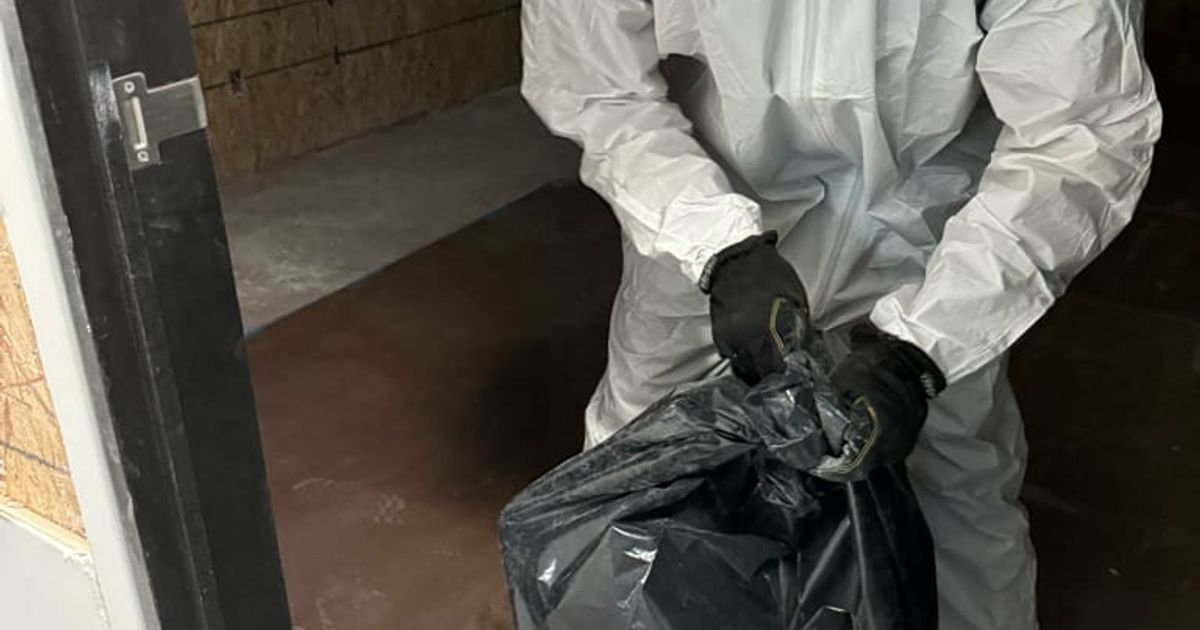
Learn about mold issues specific to Sierra Madre's foothill homes, from post-wildfire moisture to canyon drainage problems affecting local properties.
Sierra Madre's unique position nestled against the San Gabriel Mountains creates specific mold challenges that homeowners in this charming foothill community need to understand. The combination of wildfire aftermath, seasonal moisture patterns, and the city's distinctive older home construction styles contributes to mold growth patterns rarely seen in other Los Angeles County communities. Properties in both the Canyon Area and along Stonehouse Trail face particular vulnerabilities due to their proximity to natural drainage channels and the lingering effects of fires like the 2008 Santa Anita Fire.
The post-wildfire landscape has fundamentally changed how moisture behaves around Sierra Madre homes, especially those in ZIP codes 91024 and 91025. When heavy rains follow fire seasons, the lack of vegetation on nearby hillsides creates rapid runoff that can overwhelm drainage systems and create unexpected moisture intrusion points. Professional mold remediation in Sierra Madre has become increasingly important as homeowners discover mold growth in previously dry areas of their properties.
Post-Wildfire Mold Issues in Foothill Properties
Sierra Madre homes face unique mold challenges following wildfire seasons, even when the fires don't directly reach residential areas. The 2008 Santa Anita Fire demonstrated how nearby blazes can alter local water flow patterns for years afterward. Properties near Bailey Canyon Park and other areas close to the mountains experience increased moisture intrusion as burned hillsides channel rainwater differently than before.
Basements and lower levels in Canyon Area homes often develop mold growth after heavy rains because the altered landscape no longer absorbs water as effectively. Homeowners report finding mold in previously dry storage areas, particularly in homes built into hillsides or those with partial basement construction common in older Sierra Madre properties. The combination of increased water flow and ash residue creates ideal conditions for mold spores to establish colonies in crawl spaces and foundation areas.
Foundation walls in homes near the foothills show particular vulnerability to moisture wicking, especially in properties built before modern waterproofing standards. The porous nature of older concrete and stone foundations allows moisture to penetrate and create hidden mold growth behind finished basement walls.
Mature Tree Root Systems and Hidden Moisture Problems
Sierra Madre's mature tree canopy, while contributing to the city's small-town charm, creates specific mold risks through root system interactions with home foundations and sewer lines. The large oak and sycamore trees common throughout neighborhoods like Stonehouse Trail Area have extensive root systems that can crack sewer lines and create moisture seepage points around foundation perimeters.
When tree roots infiltrate sewer lines, they create slow leaks that often go undetected for months. These leaks saturate soil around foundations and can lead to mold growth in crawl spaces, basements, and even within wall cavities of ground-floor rooms. Properties with mature landscaping frequently experience mold issues in bathroom walls adjacent to exterior foundation walls where root-damaged pipes create ongoing moisture problems.
The city's commitment to preserving its tree canopy means homeowners must be particularly vigilant about monitoring for signs of root-related moisture intrusion. Dark staining on foundation walls, musty odors in lower-level rooms, and unexplained increases in water bills can all indicate root damage that may be contributing to mold growth.
Canyon Area Drainage and Debris Flow Risks
Homes in Sierra Madre's Canyon Area face specific mold challenges related to the community's debris flow risk during heavy rain events. Properties situated in natural drainage paths or near canyon mouths can experience sudden water intrusion during intense storms, particularly when debris from recent fires blocks normal water channels.
These homes often have unique architectural features like stone retaining walls and terraced foundations that can trap moisture when debris flow events redirect water flow. Mold growth frequently appears in these areas within days of heavy rain events, particularly in spaces where stone and concrete meet wooden structural elements.
Garage areas in canyon properties show particular vulnerability because they're often built at grade level where debris-laden water naturally collects. Many Sierra Madre homeowners discover mold growth on garage walls and stored items following winter storm seasons, especially in homes where natural drainage patterns have been altered by fire damage to surrounding vegetation.
Older Home Construction and Mold Vulnerabilities
Sierra Madre's collection of charming older homes, many built in the early to mid-20th century, presents unique mold challenges due to construction methods and materials common during those eras. These homes often feature stone foundations, wooden siding, and minimal vapor barriers that were standard when they were built but create modern mold risks.
Attic spaces in older Sierra Madre homes frequently develop mold growth due to inadequate ventilation systems that don't meet current standards. The combination of original wooden roof decking, limited insulation, and small ventilation openings creates conditions where moisture from daily activities becomes trapped and promotes mold growth on wooden surfaces.
Bathrooms in vintage homes throughout the city often lack proper exhaust ventilation, leading to mold growth on original tile work, wooden window frames, and in wall cavities behind bathtub and shower areas. Many of these homes have original plumbing that may have developed small leaks over decades, creating hidden moisture sources that support ongoing mold growth.
Professional Assessment and Local Expertise
Given Sierra Madre's unique combination of wildfire recovery challenges, mature tree interactions, and vintage home construction, professional mold assessment requires understanding of local conditions that generic restoration companies may miss. Go Green Restoration Inc brings specific experience with foothill community challenges and understands how Sierra Madre's position against the San Gabriel Mountains creates moisture patterns unlike those in other Los Angeles County communities.
Homeowners should schedule professional inspections after any significant weather events, particularly during the first heavy rains following fire seasons. Early detection and proper remediation help protect both the structural integrity of Sierra Madre's unique homes and the health of families living in this special foothill community.
For more information, visit our mold resources.
Need Professional Help?
Go Green Restoration provides 24/7 emergency services throughout Los Angeles and Ventura Counties. Licensed (#1005708), bonded, and insured.