Hidden Mold in Altadena Homes: Where to Look for Silent Growth
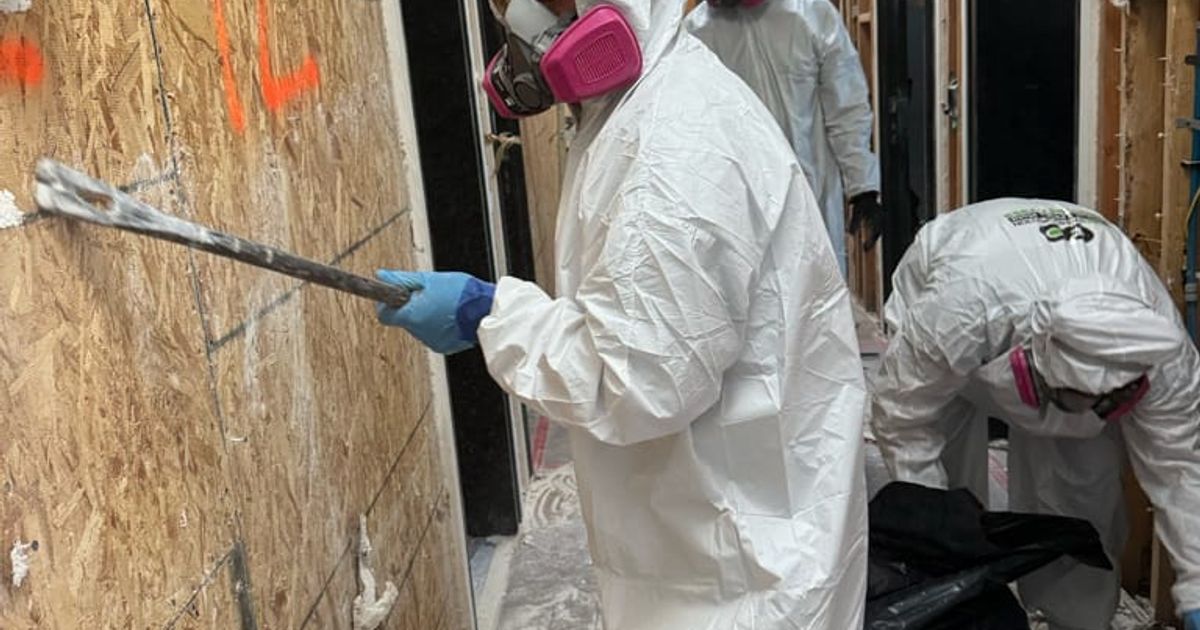
Discover where mold hides in Altadena homes, from historic construction gaps to foothill moisture issues. Essential detection guide for homeowners.
Altadena's unique position at the base of the San Gabriel Mountains creates perfect conditions for hidden mold growth that many homeowners never see coming. The community's elevation changes, from roughly 1,300 feet near Christmas Tree Lane to over 2,000 feet in the upper Meadows area, combined with the area's historic home construction, creates numerous hiding spots where moisture accumulates and mold thrives undetected.
The recent devastation from the January 2025 Eaton Fire has left many Altadena properties dealing with water damage from firefighting efforts, creating new mold risks in areas that previously stayed dry. Even homes that escaped direct fire damage often experienced water infiltration during the emergency response, making professional mold remediation in Altadena more important than ever for protecting family health.
Behind Walls and Inside Cavities
Altadena's older homes, particularly those built in the early 1900s around Janes Village and near the Cobb Estate area, often feature balloon framing and minimal vapor barriers that allow moisture to travel freely within wall cavities. During the area's wet winters, when storms roll down from the San Gabriel Mountains, water can enter through small gaps in siding or around windows and remain trapped inside walls for months.
The temperature differential between Altadena's cool mountain air and warmer interior spaces creates condensation within wall cavities, especially on north-facing walls that receive less direct sunlight. Homes along the upper elevations near Eaton Canyon frequently experience this issue due to their exposure to mountain weather patterns. Check for musty odors near electrical outlets, discoloration around baseboards, or wallpaper that's beginning to peel or bubble.
Under Flooring Systems
Many Altadena homes feature original hardwood flooring or have crawl spaces that create perfect environments for hidden mold growth. The area's clay-heavy soil, common throughout the foothills, retains moisture longer than other soil types, creating persistent humidity beneath homes. This is particularly problematic in properties near the Christmas Tree Lane area, where the slight slope toward the Arroyo Seco can direct groundwater under foundations.
Carpeted areas over concrete slabs are especially vulnerable, as concrete naturally wicks moisture from the ground. Homeowners should watch for carpet that feels damp, especially after rain, or notice persistent musty smells that seem to come from floor level. The recent fire damage has made this issue more pressing, as many homes received significant water during firefighting efforts that may have saturated subflooring materials.
HVAC Systems and Ductwork
Altadena's dramatic temperature swings between day and night, especially during spring and fall months, cause HVAC systems to work harder and create more condensation opportunities. Homes in the upper Meadows neighborhood often experience 20-30 degree temperature differences between morning and afternoon, leading to frequent cycling of heating and cooling systems.
Ductwork running through unconditioned spaces like attics or crawl spaces becomes particularly problematic when hot, humid air contacts cool metal surfaces. The area's older homes often have ductwork that wasn't properly sealed during installation, allowing moisture to enter and create ideal mold conditions. Check air vents for black spots, musty odors when the system starts, or visible moisture around vent openings.
Attic Spaces and Roof Areas
The steep terrain throughout Altadena means many homes have complex rooflines that create multiple valleys and potential leak points. Properties built on slopes, common throughout the area from the Cobb Estate to upper Christmas Tree Lane, often experience wind-driven rain that can penetrate roofing materials in unexpected ways.
Attic ventilation becomes particularly important due to the area's elevation and weather patterns. Warm, moist air from daily activities rises into attic spaces, where it contacts cooler surfaces during Altadena's characteristically cool nights. Insufficient ventilation, combined with the area's frequent temperature fluctuations, creates condensation that supports mold growth on roof decking, insulation, and stored items. Look for dark staining on roof decking, wet insulation, or a musty smell when entering attic spaces.
Crawl Spaces and Foundation Areas
Altadena's position at the mountain base means many properties deal with seasonal water runoff that can affect crawl spaces and foundation areas. The area's natural drainage patterns, flowing from the San Gabriel Mountains toward the Arroyo Seco, can direct water under homes during heavy rain events.
Foundation walls in contact with Altadena's moisture-retentive soil often develop condensation issues, especially during the wet season from December through March. Homes near natural drainage channels or those built on former creek beds, common throughout the foothills, face additional challenges. Crawl spaces should be inspected for standing water, white mineral deposits on foundation walls (indicating moisture movement), or visible mold growth on wooden structural elements.
Local Construction Factors
Go Green Restoration Inc has observed that Altadena's historic homes often feature unique construction details that create unexpected mold hiding spots. Many properties include features like enclosed porches, bay windows with complex framing, or additions built with different materials than the original structure, creating thermal bridges and moisture entry points.
The area's wildfire risk has led many homeowners to install defensible space modifications that can inadvertently affect drainage patterns around homes. Properties that have removed vegetation or modified landscaping for fire safety should pay particular attention to how water now flows around their foundation, as changes in drainage can create new moisture problems that lead to hidden mold growth.
For more information, visit our mold resources.
Need Professional Help?
Go Green Restoration provides 24/7 emergency services throughout Los Angeles and Ventura Counties. Licensed (#1005708), bonded, and insured.