Hidden Mold in Bell Homes: Where to Look
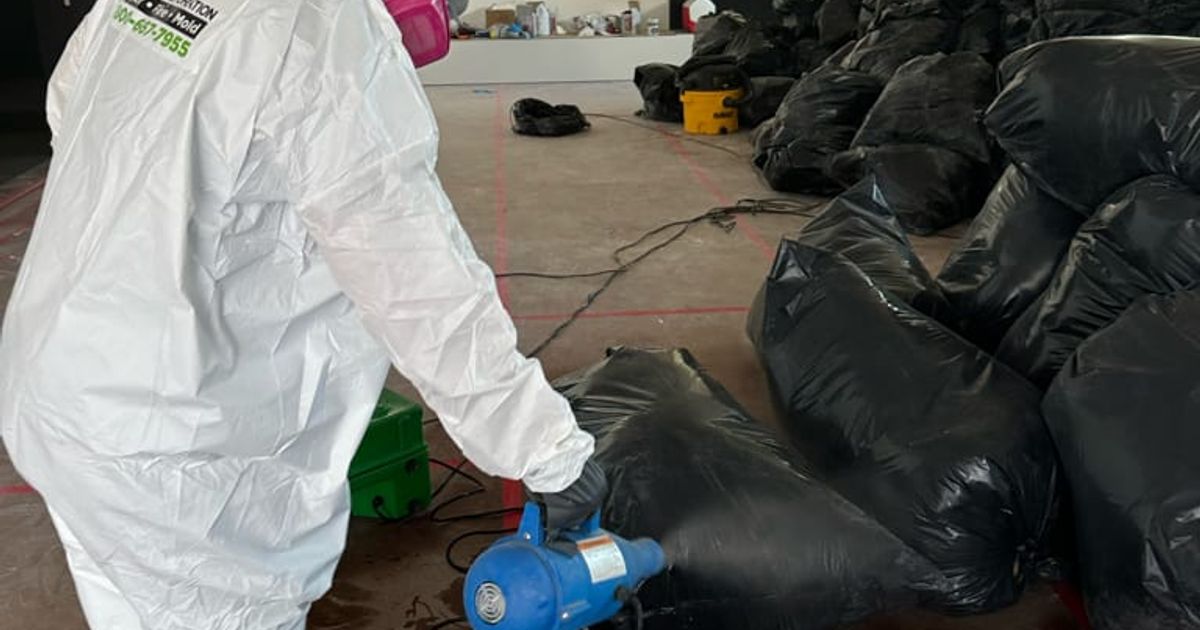
Discover where hidden mold lurks in Bell, CA homes. Learn to spot mold in older buildings, HVAC systems, and flood-prone areas near the LA River.
Bell's densely packed residential neighborhoods present unique challenges for homeowners dealing with hidden mold growth. The city's aging housing stock, combined with its location in the low-lying areas near the Los Angeles River, creates perfect conditions for moisture problems that many residents never see coming. Understanding where mold typically hides in Bell homes can help you catch problems before they become expensive disasters.
The older construction methods found throughout Bell Central and the Veterans Park Area often lack modern moisture barriers and proper ventilation systems. These structural vulnerabilities, combined with the city's occasional flooding during heavy winter storms, make mold remediation in Bell a common necessity for homeowners who discover problems too late.
Behind Walls and Inside Wall Cavities
Many of Bell's multi-family buildings and older single-family homes feature original plumbing that runs through wall cavities without adequate protection. When these aging pipes develop small leaks, moisture accumulates behind drywall where it remains undetected for months or years. The problem becomes particularly severe in buildings near Gage Avenue and Eastern Avenue, where older construction standards didn't include vapor barriers.
Look for subtle signs like paint bubbling, wallpaper peeling at the edges, or a musty odor that seems strongest near certain walls. In Bell's older homes, check areas around original bathroom plumbing, kitchen sinks, and anywhere water lines enter the building. The dense urban environment means many homes share walls with neighboring properties, potentially allowing moisture problems to spread between units.
Under Flooring Systems
Bell's location in the Los Angeles River floodplain means many homes have experienced water intrusion at ground level, even if homeowners weren't aware of it. Concrete slab foundations, common in the area's post-1950s construction, can develop cracks that allow groundwater seepage. This moisture becomes trapped under vinyl, laminate, or carpet flooring, creating ideal conditions for mold growth.
Pay attention to floors that feel soft or spongy, especially in areas like bathrooms, laundry rooms, and kitchens. In Bell's older homes near the Veterans Park area, hardwood floors may show signs of cupping or warping when moisture problems exist underneath. Carpet that smells musty even after cleaning often indicates hidden mold growth in the padding or subfloor beneath.
HVAC Systems and Ductwork
The climate in Bell requires air conditioning for much of the year, but many older homes have HVAC systems that weren't designed for the heavy usage they now receive. Inadequate insulation around ductwork, combined with temperature differences between conditioned indoor air and hot outdoor conditions, creates condensation problems inside air ducts.
Check around air vents for dark staining or visible mold growth, particularly in homes built before 1980. Many properties in Bell's densely built neighborhoods have HVAC systems installed in tight spaces with poor access, making regular maintenance difficult. If you notice musty odors when the air conditioning first turns on, or if family members experience respiratory symptoms that improve when away from home, hidden mold in the HVAC system could be the culprit.
Attics and Upper Level Spaces
Bell's older homes often have attic spaces with inadequate ventilation, a problem made worse by the city's hot summers and occasional heavy winter rains. Many properties feature original roofing materials that may have developed small leaks over decades of weather exposure. These minor leaks allow moisture into attic spaces where it can remain undetected while supporting extensive mold growth.
Inspect attic areas for water stains on rafters or sheathing, particularly after storm events. In Bell's multi-story buildings and older homes near the Bell Community Center, check for proper attic ventilation and signs of condensation on metal fixtures or nails. Dark staining on wood surfaces or insulation that appears compressed or discolored often indicates ongoing moisture problems.
Crawl Spaces and Foundation Areas
Properties throughout Bell that feature raised foundations or partial basements face unique moisture challenges due to the area's high water table and periodic flooding. Poor drainage around foundations, combined with inadequate ventilation in crawl spaces, creates environments where mold thrives undetected.
Look for standing water, excessive humidity, or white mineral deposits on foundation walls that indicate water intrusion. Many homes in Bell's older neighborhoods have crawl spaces that were never properly sealed or ventilated according to modern standards. Professional assessment becomes important when you notice musty odors coming from floor registers or when humidity levels inside the home remain high despite air conditioning use.
## Related Articles
Learn more about restoration services in Bell:
- Mold Remediation Insurance Coverage in Bell: What Homeowners Need to Know
- How Bell's Climate Creates Mold-Friendly Conditions
- Bell Rental Properties and Mold: Tenant and Landlord Rights
Bell's dense urban development patterns create specific hiding spots for mold that homeowners might overlook. Many properties feature shared walls, flat or low-slope roofs, and minimal setbacks between buildings that can trap moisture and reduce natural drying. The city's older apartment buildings and duplexes often have original windows and doors that may not seal properly, allowing moisture intrusion during storms.
As Go Green Restoration Inc has observed throughout Los Angeles County, Bell's combination of aging infrastructure and environmental factors requires homeowners to be particularly vigilant about hidden mold growth. Regular inspection of these common hiding spots can help catch problems early, before they require extensive remediation work that disrupts daily life and strains household budgets.
Need Professional Help?
Go Green Restoration provides 24/7 emergency services throughout Los Angeles and Ventura Counties. Licensed (#1005708), bonded, and insured.