Mold Emergency Guide for Covina Homeowners: Immediate Response Steps
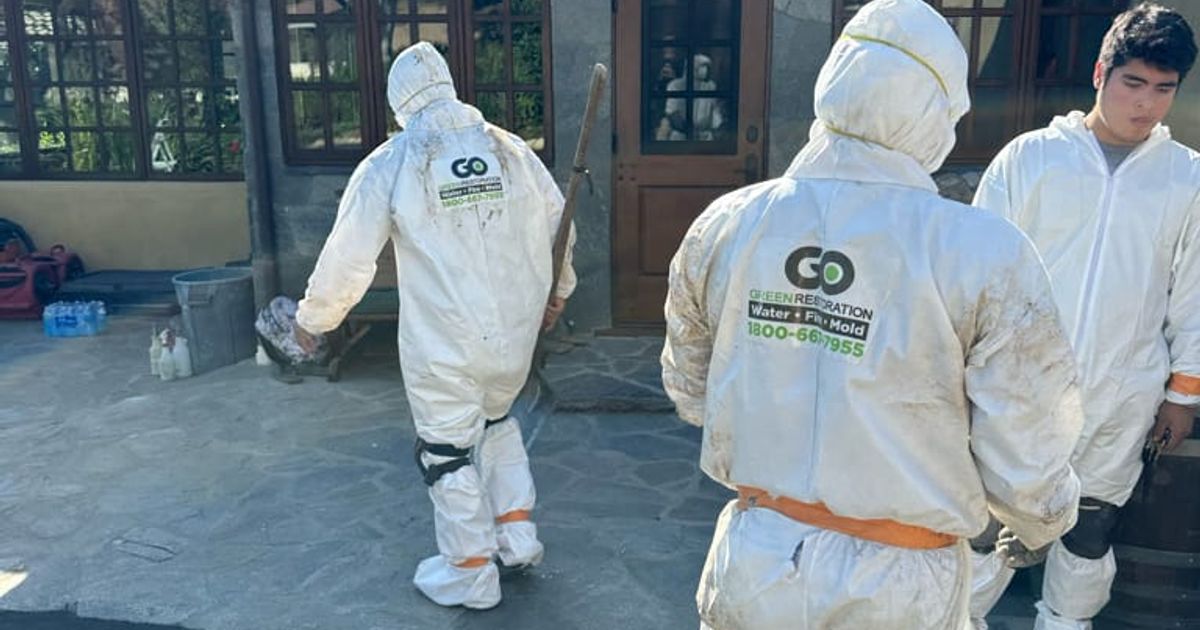
Essential emergency guide for Covina homeowners who discover mold. Learn immediate safety steps, containment methods, and when to evacuate.
Discovering mold in your Covina home can be alarming, especially given our San Gabriel Valley climate conditions that create perfect breeding environments during hot summers. The combination of high temperatures, HVAC system strain, and moisture buildup in homes throughout Charter Oak, South Covina, and downtown areas makes mold growth a serious concern that requires immediate action.
Covina's housing stock, with many homes built during the 1950s and 1960s boom, presents unique challenges when mold appears. These older properties often have original plumbing systems and ventilation that may contribute to moisture problems, making swift response essential for protecting your family's health and your property investment. Professional mold remediation in Covina becomes necessary when growth exceeds manageable levels, but your immediate actions can prevent the situation from worsening.
The urgency increases during Covina's intense summer months when temperatures soar and air conditioning systems work overtime, creating condensation issues that fuel mold growth. Storm runoff from the nearby San Gabriel Mountains can also overwhelm older drainage systems in neighborhoods like those near Covina Park, leading to water intrusion and subsequent mold development.
Immediate Safety Assessment and Health Precautions
Your first priority upon discovering mold in your Covina home involves protecting your family's health. Stop any activities that might disturb the mold, such as cleaning or touching the affected area, as this releases spores into the air. Children, elderly family members, and anyone with respiratory conditions should leave the affected area immediately.
Covina's dry climate might make residents think mold isn't a concern, but indoor moisture from cooking, showering, and HVAC operation creates ideal conditions. Symptoms of mold exposure include coughing, sneezing, throat irritation, and eye watering. If anyone in your household experiences these symptoms after discovering mold, seek fresh air immediately and consider consulting a healthcare provider.
Document the mold location with photos from a safe distance, but avoid getting close enough to inhale spores. This documentation will be valuable for insurance claims and professional remediation services. Pay special attention to areas around windows, bathrooms, and basements where Covina's temperature fluctuations create condensation problems.
When to Evacuate Your Covina Home
Evacuation becomes necessary when mold covers more than 10 square feet, appears in HVAC systems, or when family members experience severe respiratory symptoms. Covina homes with original galvanized or polybutylene plumbing face higher risks because pipe failures can create extensive water damage and rapid mold growth behind walls.
If mold appears near your home's electrical systems or if you smell strong musty odors throughout multiple rooms, evacuate immediately. The San Gabriel Valley's older housing stock often has electrical systems that weren't designed for modern moisture loads, creating dangerous combinations when mold growth indicates serious water problems.
Consider temporary evacuation if the mold appears black or if you discover it in bedrooms where family members sleep. Covina's proximity to medical facilities in neighboring West Covina and Azusa means help is available if health symptoms develop, but prevention through evacuation is always safer than treatment after exposure.
Containment Strategies While Awaiting Professional Help
Containing mold spread becomes your primary goal while waiting for professional remediation in Covina. Turn off your HVAC system immediately to prevent spores from circulating throughout your home's ductwork. This is particularly important in Covina's climate where air conditioning runs frequently and can quickly spread contamination.
Seal off the affected area using plastic sheeting and duct tape, creating a barrier between the moldy area and the rest of your home. Close all doors leading to the contaminated space and place towels along door cracks. If the mold is near Covina Bowl or other high-traffic areas of your home, establish alternative routes to avoid the contaminated zone.
Increase ventilation in unaffected areas by opening windows and using fans to blow air outward, but never use fans in the moldy area as this spreads spores. Covina's generally dry outdoor air can help reduce humidity levels in clean areas of your home, making conditions less favorable for additional mold growth.
Preventing Cross-Contamination in Your Home
Cross-contamination prevention requires careful attention to your movements and belongings within your Covina home. Change clothes and shoes before leaving the affected area, and wash these items in hot water immediately. Store contaminated clothing in sealed plastic bags until washing to prevent spore transfer to other areas.
Avoid tracking mold spores through your home by establishing a clean pathway from the contaminated area to the exit. This is especially important in Covina's multi-level homes common in neighborhoods near the San Gabriel Mountains, where spores can easily travel between floors through stairwells and air currents.
Clean yourself thoroughly after any exposure, including washing hands, face, and hair before touching clean surfaces. Keep pets away from the affected area, as they can carry spores on their fur throughout your home. The dry conditions in Covina mean spores can remain airborne longer than in humid climates, making contamination control even more important.
Professional Response and Next Steps
While waiting for professional help, maintain detailed records of the mold discovery, including time, location, and any potential water sources that might have caused the growth. Covina homeowners should contact their insurance companies promptly, as policies vary in mold coverage, and early notification often improves claim outcomes.
As a Covina resident, Go Green Restoration Inc understands the unique challenges posed by our San Gabriel Valley climate and older housing stock, providing eco-friendly remediation services that address both immediate mold concerns and underlying moisture issues common in our area.
Monitor the contained area for changes, but avoid entering unless absolutely necessary. If water continues entering the space or if the mold area appears to be growing despite containment efforts, contact emergency services. Covina's location provides access to specialized remediation services throughout Los Angeles County, ensuring you have options for addressing your mold emergency quickly and effectively.
For more information, visit our mold resources.
Need Professional Help?
Go Green Restoration provides 24/7 emergency services throughout Los Angeles and Ventura Counties. Licensed (#1005708), bonded, and insured.