Health Risks of Mold Exposure in Azusa Homes: Symptoms, Vulnerable Populations, and Emergency Signs
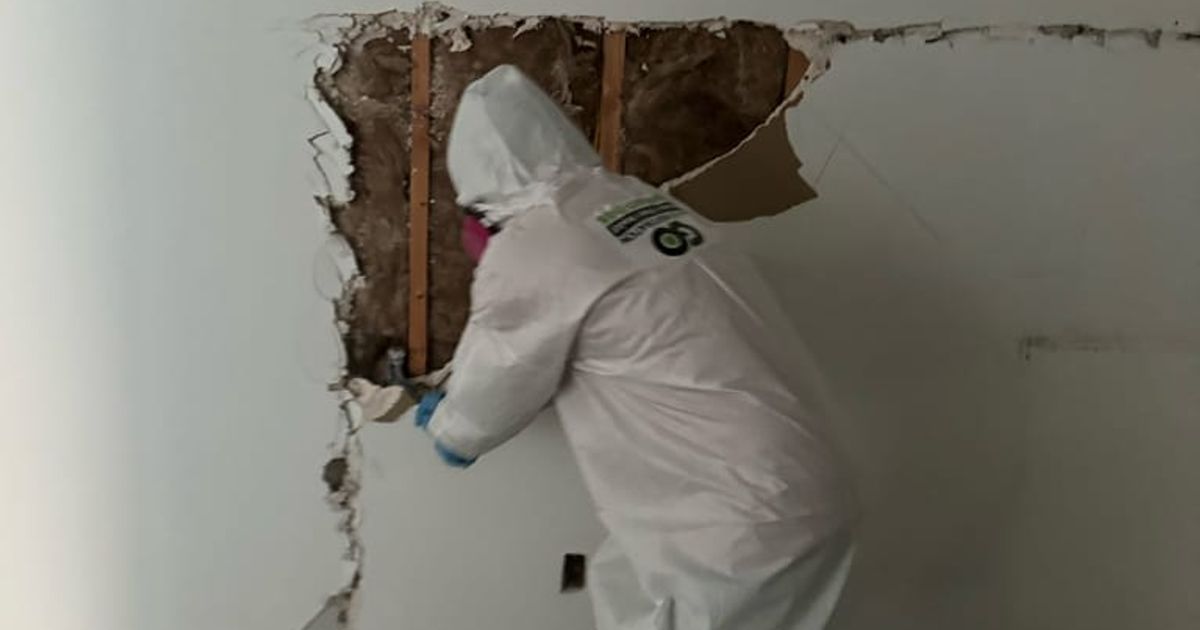
Learn about mold health risks in Azusa homes, from respiratory symptoms to emergency signs. Protect your family with expert guidance on exposure dangers.
Azusa homeowners face unique mold challenges due to the city's position at the mouth of San Gabriel Canyon, where seasonal moisture patterns and wildfire aftermath create ideal conditions for fungal growth. The combination of foothill humidity, aging infrastructure in downtown areas, and water damage from mudslides after fires in the Angeles National Forest makes understanding mold health risks essential for the 50,000 residents across neighborhoods like Rosedale and Mountain Cove.
Mold exposure poses serious health threats that many Azusa families underestimate, particularly in homes near the San Gabriel River wash or properties affected by the city's recurring wildfire and flood cycles. Professional mold remediation in Azusa becomes necessary when health symptoms emerge, as untreated mold colonies can trigger respiratory problems, neurological issues, and immune system complications that worsen over time.
Respiratory and Allergic Reactions from Mold Exposure
Mold spores floating through Azusa homes trigger immediate respiratory responses in sensitive individuals, with symptoms ranging from persistent coughing and wheezing to severe asthma attacks. Residents living in older downtown properties near Azusa Avenue often experience increased symptoms during Santa Ana wind events, when disturbed spores circulate through aging HVAC systems and poorly sealed windows.
Allergic reactions manifest as chronic sneezing, runny nose, and itchy eyes that worsen indoors, particularly in basements and crawl spaces where moisture accumulates after winter rains flow down from the San Gabriel Mountains. Azusa Pacific University students living in off-campus housing frequently report these symptoms, especially in rentals near the foothills where poor ventilation combines with seasonal humidity.
Skin irritation presents as unexplained rashes, eczema flare-ups, and contact dermatitis that develops after touching contaminated surfaces. Families in Mountain Cove and other hillside neighborhoods notice these symptoms intensify following mudslide events that introduce moisture and organic debris into homes, creating perfect breeding grounds for allergenic mold species.
Vulnerable Populations at Higher Risk
Infants and children face elevated mold exposure risks in Azusa homes, as their developing respiratory systems cannot effectively filter airborne spores. Daycare centers and elementary schools in the 91702 zip code area require extra vigilance, particularly facilities built before modern moisture control standards that may harbor hidden mold colonies behind walls and under flooring.
Elderly Azusa residents experience amplified health effects from mold exposure, especially those with pre-existing conditions like COPD or heart disease. Senior living facilities near Gladstone Street and homes in established neighborhoods often struggle with outdated plumbing systems that leak behind walls, creating chronic moisture problems that compound age-related health vulnerabilities.
Individuals with compromised immune systems, including cancer patients receiving treatment at nearby Citrus Valley Medical Center, face life-threatening complications from mold exposure. These residents require immediate professional intervention when mold appears, as their bodies cannot mount effective defenses against mycotoxins and invasive fungal infections.
Pregnant women in Azusa should avoid mold exposure entirely, as certain species produce toxins that cross the placental barrier and potentially harm fetal development. This concern particularly affects families in flood-prone areas near the San Gabriel River, where seasonal water damage creates recurring mold problems in homes and apartments.
Types of Household Mold and Associated Health Risks
Black mold (Stachybotrys chartarum) poses the most severe health threats in Azusa homes, producing mycotoxins that cause neurological symptoms including memory loss, difficulty concentrating, and severe headaches. This species thrives in water-damaged drywall and insulation, commonly appearing in homes affected by plumbing failures in older downtown areas or flood damage from canyon runoff.
Aspergillus species, frequently found in Azusa homes with poor ventilation, trigger severe asthma attacks and can cause invasive lung infections in immunocompromised individuals. These molds colonize air conditioning systems and ductwork, spreading throughout homes during cooling season when families rely heavily on HVAC systems to combat foothill heat.
Penicillium molds, while less toxic than black mold, cause persistent allergic reactions and respiratory irritation in Azusa residents. These blue-green colonies commonly appear on water-damaged wood framing and paper-backed drywall, particularly in homes near Rosedale where older construction methods and materials create vulnerability to moisture intrusion.
Cladosporium, though considered less dangerous, triggers chronic sinusitis and respiratory infections that significantly impact quality of life. This outdoor mold frequently enters Azusa homes through windows and doors during windy conditions, establishing colonies in bathrooms, basements, and laundry areas with elevated humidity levels.
Recognizing Mold Health Emergencies
Severe respiratory distress requiring immediate medical attention includes difficulty breathing, chest tightness, and persistent coughing that worsens when inside specific rooms or areas of Azusa homes. Emergency symptoms often develop rapidly in individuals exposed to large mold colonies, particularly after disturbance during cleaning attempts or renovation projects.
Neurological symptoms indicating serious mold poisoning include severe headaches, dizziness, confusion, and memory problems that interfere with daily activities. Azusa residents experiencing these symptoms should seek immediate medical care at Foothill Presbyterian Hospital while arranging professional mold assessment and remediation.
Systemic allergic reactions presenting as widespread skin rashes, swelling, or breathing difficulties require emergency intervention, especially in children and elderly family members. These severe responses indicate high-level mold exposure that demands immediate removal from the contaminated environment and professional medical treatment.
Persistent flu-like symptoms including fever, fatigue, and muscle aches that improve when away from home suggest significant mold exposure requiring urgent attention. Go Green Restoration Inc frequently responds to emergency calls in Azusa where families develop these symptoms, particularly in homes affected by water damage from wildfire-related infrastructure failures.
## Related Articles
Learn more about restoration services in Azusa:
Azusa residents experiencing mold-related health symptoms can access care through Foothill Presbyterian Hospital's emergency department or schedule appointments with pulmonary specialists at Citrus Valley Medical Center in nearby West Covina. The Los Angeles County Department of Public Health provides free mold exposure guidance and can conduct health assessments for families experiencing symptoms.
The Azusa Fire Department offers emergency response for homes with severe mold contamination, particularly properties affected by wildfire damage or flooding that creates immediate health hazards. Their hazmat team coordinates with medical professionals to ensure safe evacuation and treatment when necessary.
Local urgent care facilities along Azusa Avenue provide accessible treatment for respiratory symptoms and allergic reactions, while the student health center at Azusa Pacific University serves the campus community with specialized knowledge of mold-related health issues common in local housing.
Families requiring ongoing medical monitoring can establish care with allergists and pulmonologists practicing in nearby Glendora and Covina, ensuring continued support throughout the remediation process and recovery period.
Need Professional Help?
Go Green Restoration provides 24/7 emergency services throughout Los Angeles and Ventura Counties. Licensed (#1005708), bonded, and insured.