Health Risks of Mold Exposure in Newbury Park Homes: What Residents Need to Know
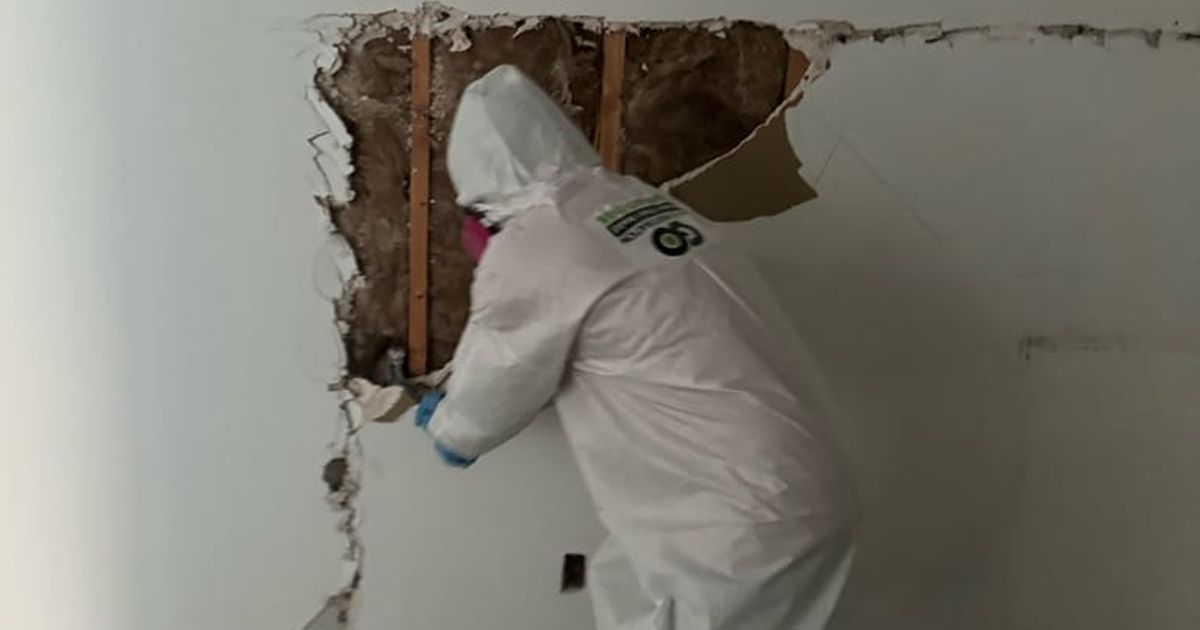
Learn about mold health risks in Newbury Park homes, from symptoms to vulnerable populations. Local health resources and emergency warning signs included.
Understanding Mold Health Risks in Newbury Park's Climate
Newbury Park's location in the Conejo Valley creates unique conditions that can promote mold growth in homes throughout neighborhoods like Dos Vientos, Lynn Ranch, and Borchard. The area's hot, dry summers followed by occasional heavy winter rains create moisture fluctuations that stress building materials, particularly in homes built during the 1970s and 80s construction boom. Many residents discovered mold issues after the 2018 Woolsey Fire, when emergency repairs and water damage from firefighting efforts created perfect breeding grounds for fungal growth. Professional mold remediation in Newbury Park becomes essential when these moisture problems lead to health-threatening mold colonies in living spaces.
The Santa Monica Mountains' proximity means many Newbury Park homes experience temperature swings that cause condensation in poorly ventilated areas. Aging HVAC systems, common in older Newbury Park properties, often struggle during the valley's intense summer heat, creating humidity pockets where mold thrives. Properties near Rancho Sierra Vista and the open space areas face additional challenges from seasonal moisture changes and wildfire recovery conditions that can compromise building integrity.
Recognizing Mold Exposure Symptoms in Your Family
Newbury Park residents should watch for specific symptoms that indicate mold exposure, especially during the area's peak growing seasons. Respiratory symptoms often appear first, including persistent coughing, wheezing, and throat irritation that worsens when spending time indoors. Many families in the Dos Vientos and Lynn Ranch neighborhoods report seasonal allergies that seem unusually severe or year-round, which may actually indicate indoor mold exposure rather than outdoor allergens from the surrounding chaparral.
Neurological symptoms can develop in Newbury Park homes with significant mold problems, including headaches, difficulty concentrating, and memory issues. Children attending schools in the Conejo Valley School District may show declining academic performance if exposed to mold at home. Skin irritation, including rashes and eczema flare-ups, commonly affects residents of moisture-damaged properties. Eye irritation and excessive tearing, particularly noticeable when moving between rooms, often indicates localized mold colonies in specific areas of Newbury Park homes.
Vulnerable Populations in Newbury Park Communities
Certain Newbury Park residents face heightened risks from mold exposure due to age, health conditions, or environmental factors. Infants and young children in neighborhoods like Borchard and Newbury Park Proper are particularly susceptible because their developing respiratory systems cannot effectively filter mold spores. The area's many retirees, drawn to Newbury Park's suburban tranquility and proximity to hiking trails near Satwiwa Native American Indian Culture Center, may have compromised immune systems that make mold exposure more dangerous.
Pregnant women in Newbury Park should be especially cautious about mold exposure, as certain mycotoxins can affect fetal development. The community's active outdoor lifestyle means many residents have exercise-induced asthma or other respiratory conditions that mold exposure can severely exacerbate. Individuals with autoimmune disorders, cancer patients receiving treatment at nearby medical facilities, and anyone taking immunosuppressive medications face serious risks from even minimal mold exposure in their Newbury Park homes.
Common Mold Types Found in Newbury Park Homes
Aspergillus species frequently appear in Newbury Park properties, particularly in areas with poor ventilation like bathrooms and laundry rooms. This mold thrives in the valley's warm temperatures and can produce aflatoxins that cause serious respiratory problems. Post-Woolsey Fire reconstruction revealed extensive Aspergillus contamination in homes with water damage, making professional assessment essential for affected properties throughout the 91319 and 91320 zip codes.
Stachybotrys chartarum, known as black mold, develops in Newbury Park homes with chronic moisture problems, often hiding behind walls or under flooring damaged during the fire recovery period. Penicillium grows rapidly in homes with plumbing leaks, common in older Newbury Park properties with original 1970s infrastructure. Chaetomium appears in severely water-damaged areas and produces a musty odor that many residents initially mistake for general dampness from the valley's occasional winter storms.
Cladosporium often grows on HVAC systems in Newbury Park homes, spreading spores throughout the house during cooling season. This mold is particularly problematic for residents with existing respiratory conditions who rely on air conditioning during the area's hot summer months.
When Mold Becomes a Health Emergency
Newbury Park residents should seek immediate medical attention if they experience sudden onset breathing difficulties, chest tightness, or severe allergic reactions after discovering mold in their homes. Go Green Restoration Inc has observed that emergency situations often develop when families attempt DIY mold removal in fire-damaged properties, inadvertently releasing concentrated spore clouds into living areas.
Persistent fever, especially in children or elderly residents, combined with respiratory symptoms may indicate serious mold-related illness requiring urgent care. Neurological symptoms like confusion, severe headaches, or coordination problems warrant immediate medical evaluation, particularly if they correlate with time spent in specific areas of Newbury Park homes.
If multiple family members develop symptoms simultaneously, or if pets show signs of respiratory distress, evacuate the property and contact medical professionals immediately. Properties with visible mold covering more than 10 square feet, or any amount of black mold, require professional intervention before safe occupancy.
Local Health Resources for Newbury Park Residents
Ventura County Public Health Department operates a main office in Ventura and provides mold exposure guidance specific to post-fire recovery situations common in Newbury Park. Their environmental health division can connect residents with appropriate medical specialists familiar with mold-related illnesses prevalent in the Conejo Valley area.
CLU Community Medical Center in nearby Thousand Oaks offers pulmonology services for residents experiencing respiratory symptoms from mold exposure. Their emergency department is equipped to handle acute mold poisoning cases and can provide immediate treatment for severe reactions.
The Ventura County Air Pollution Control District maintains air quality monitoring that includes mold spore counts, particularly important during wildfire recovery periods when outdoor and indoor air quality interact. Los Robles Hospital in Thousand Oaks provides allergy and immunology services for Newbury Park residents dealing with chronic mold sensitivity.
For non-emergency situations, the Thousand Oaks Family Medicine group includes physicians experienced with environmental health issues common to the Santa Monica Mountains foothills area. They can provide baseline health assessments and ongoing monitoring for families concerned about mold exposure in their Newbury Park homes.
For more information, visit our mold resources.
Need Professional Help?
Go Green Restoration provides 24/7 emergency services throughout Los Angeles and Ventura Counties. Licensed (#1005708), bonded, and insured.