Mold Remediation Insurance Coverage in Glendora: What Homeowners Need to Know
Understand mold insurance coverage in Glendora, CA. Learn what's covered, documentation needs, and claims process for foothill homes.
Glendora homeowners face unique mold challenges due to the city's position against the San Gabriel Mountains foothills. The combination of post-wildfire conditions, seasonal storm runoff, and mature tree root systems affecting sewer lines creates multiple pathways for water intrusion that can lead to mold growth. Understanding your insurance coverage for mold remediation in Glendora becomes essential when these environmental factors converge.
The 2014 Colby Fire demonstrated how wildfire aftermath increases moisture-related problems in North Glendora and South Hills neighborhoods. Post-fire erosion continues to affect properties near Glendora Mountain Road, where increased debris flow risk means higher chances of water entering homes during storm events. These conditions make mold insurance knowledge particularly important for residents in the 91740 and 91741 ZIP codes.
What Mold Coverage Typically Includes
Most homeowner's insurance policies in Glendora cover mold remediation when it results from a "covered peril" like burst pipes, roof leaks from storm damage, or appliance malfunctions. For properties in the South Hills area, this often applies to damage from winter storms that overwhelm gutters and cause roof leaks. Similarly, homes in Glendora Village may have coverage when aging plumbing systems fail and create water damage that leads to mold.
Insurance typically covers the cost of professional mold removal, damaged material replacement, and temporary housing if the home becomes uninhabitable. However, coverage limits vary significantly, with many policies capping mold remediation at $10,000 to $50,000. Given Glendora's higher property values, especially in foothill neighborhoods, these limits may not cover extensive remediation needs.
The key factor determining coverage is the underlying cause of moisture intrusion. Sudden, accidental water events generally qualify for coverage, while gradual leaks or maintenance-related issues typically don't. For Glendora homeowners, this distinction becomes important when dealing with root intrusion from the city's mature tree canopy, which can cause slow sewer line leaks that may not qualify for coverage.
Common Exclusions Affecting Glendora Properties
Flood-related mold represents the most significant exclusion for Glendora homeowners. Standard policies don't cover mold resulting from flooding, which includes the debris flows and mudslides that threaten properties near Big Dalton Dam after heavy rains. Homes in North Glendora, particularly those in wildfire-affected areas, face increased flood risk due to altered drainage patterns and reduced soil stability.
Maintenance-related mold exclusions particularly affect older homes in established neighborhoods like Glendora Village. Insurance won't cover mold resulting from deferred maintenance, such as failing to address small roof leaks or ignoring plumbing issues. Given that many Glendora homes were built decades ago, regular maintenance becomes essential to maintain insurance coverage eligibility.
Ground seepage exclusions also impact foothill properties where natural water flow patterns can create ongoing moisture problems. Homes built on slopes near Glendora Mountain Road may experience foundation moisture issues that insurance considers a maintenance or construction problem rather than a covered event.
Documentation Requirements for Successful Claims
Glendora homeowners must document both the initial water event and the resulting mold growth to support insurance claims. This means photographing storm damage, burst pipes, or appliance failures immediately when they occur. For properties in wildfire-affected areas, documenting how post-fire conditions contributed to water intrusion helps establish the connection between a covered peril and subsequent mold growth.
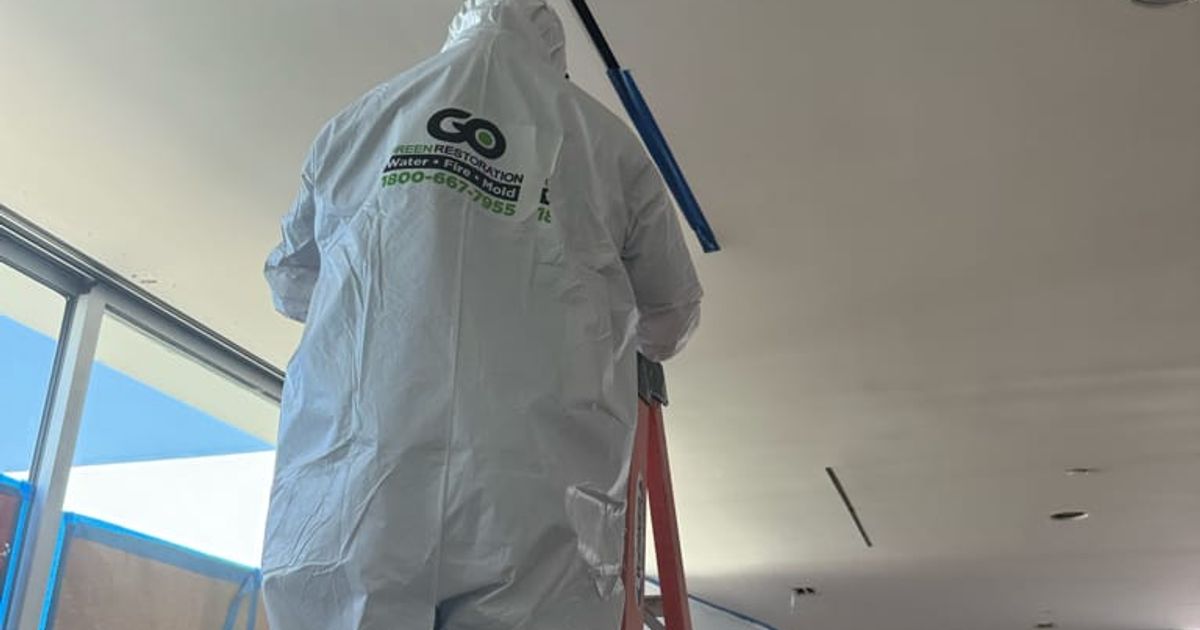
Professional water damage assessment becomes particularly important for Glendora homes due to the complex moisture sources in foothill environments. Having a restoration company like Go Green Restoration document moisture levels, affected areas, and remediation scope provides the technical evidence insurance adjusters require. This documentation proves especially valuable when dealing with claims involving multiple moisture sources or ongoing environmental factors.
Maintaining detailed records of home maintenance, including roof inspections, plumbing repairs, and drainage system upkeep, helps demonstrate that mold resulted from a sudden event rather than neglect. For older Glendora homes, these maintenance records can make the difference between claim approval and denial.
Navigating the Claims Process Successfully
Report mold-related claims immediately after discovering water damage, even before mold becomes visible. Glendora's warm, dry climate can create rapid mold growth when moisture is present, particularly in areas with poor ventilation. Early reporting establishes the timeline and demonstrates prompt action to mitigate damage.
Work with adjusters to clearly establish the covered peril that caused moisture intrusion. For foothill properties, this might involve explaining how wildfire-related erosion contributed to unusual water flow patterns that overwhelmed drainage systems. Providing meteorological data about specific storm events can help connect weather conditions to property damage.
Understand that insurance companies may require multiple inspections and air quality testing before approving extensive remediation. In Glendora's complex environmental conditions, where multiple factors can contribute to moisture problems, adjusters often need detailed investigation to determine coverage eligibility.
Consider hiring a public adjuster for significant claims, particularly those involving post-wildfire conditions or complex moisture sources common in foothill properties. These professionals understand how to present claims involving Glendora's unique environmental challenges in ways that maximize coverage approval.
## Related Articles
Learn more about restoration services in Glendora:
- Preventing Mold Growth in Glendora: A Seasonal Guide
- Health Risks of Mold Exposure in Glendora Homes: What Foothill Residents Need to Know
Consider purchasing separate flood insurance through NFIP, particularly for properties in North Glendora or near Big Dalton Dam where debris flow risk remains elevated. This coverage fills the gap left by standard homeowner's policies for flood-related mold damage.
Review your policy's mold coverage limits annually, especially if you live in a high-value foothill property where remediation costs could exceed standard limits. Some insurers offer increased mold coverage endorsements that provide additional protection for Glendora's unique risk profile.
Maintain detailed documentation of all moisture intrusion events, even minor ones, to establish patterns that might support future claims. In Glendora's changing post-fire environment, demonstrating how external factors contribute to property damage helps build stronger insurance claims when significant mold problems develop.
Need Professional Help?
Go Green Restoration provides 24/7 emergency services throughout Los Angeles and Ventura Counties. Licensed (#1005708), bonded, and insured.