Mold Remediation Insurance Coverage in San Dimas: What Homeowners Need to Know
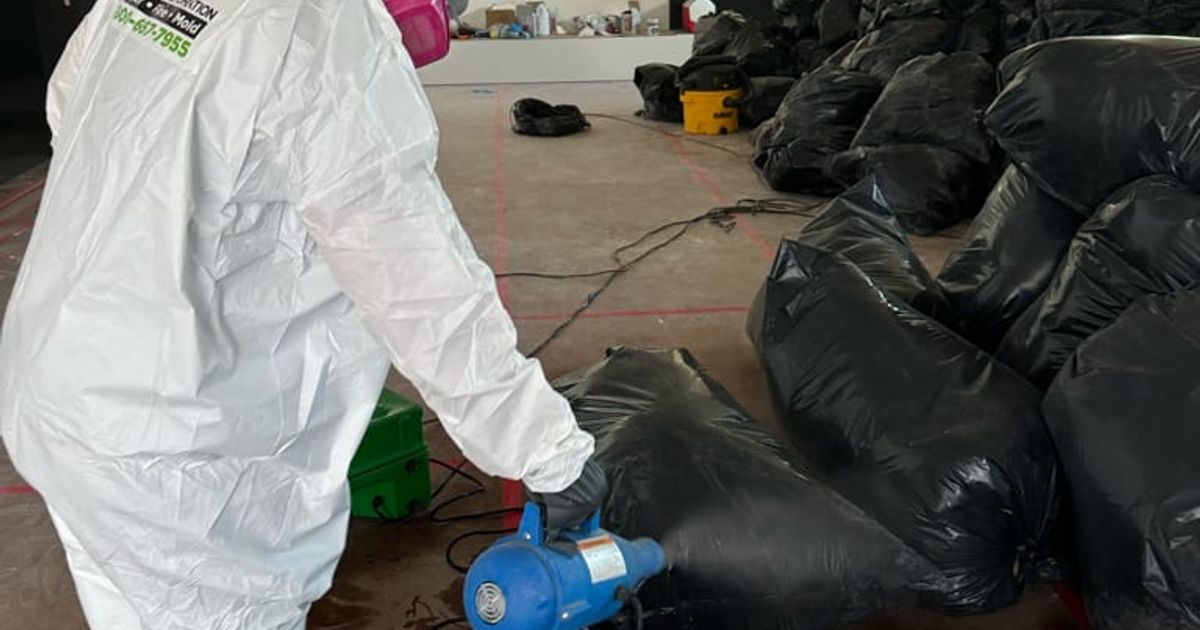
San Dimas homeowners guide to mold insurance coverage, claims process, and what's covered vs excluded in foothill properties.
San Dimas homeowners face unique mold challenges due to the city's foothill location and diverse housing stock. Properties in areas like San Dimas Canyon and Horse Thief Canyon are particularly susceptible to moisture issues from storm runoff and seasonal flooding, while the equestrian properties throughout the 91773 ZIP code often deal with irrigation-related water damage that can lead to mold growth. Understanding your insurance coverage for mold remediation in San Dimas becomes essential when these moisture problems develop into serious mold infestations.
Navigating mold insurance claims in San Dimas requires understanding how local conditions affect coverage decisions. The city's proximity to wildfire zones and its canyon geography create specific scenarios where mold coverage may apply differently than in other Los Angeles County communities. Insurance companies evaluate mold claims based on the underlying cause of moisture, making it vital for San Dimas residents to understand these distinctions before filing a claim.
What Mold Damage Is Typically Covered
Most homeowners insurance policies in San Dimas cover mold damage when it results from a "covered peril" such as burst pipes, appliance malfunctions, or storm damage. Properties in the Via Verde area, with their newer construction and modern plumbing systems, often see coverage for mold resulting from sudden pipe failures or water heater leaks. Similarly, homes near Frank G. Bonelli Regional Park that experience roof damage during winter storms may find their resulting mold issues covered under their policy's water damage provisions.
Insurance companies typically cover mold remediation costs up to policy limits when the mold growth stems from covered water damage events. This includes professional cleanup, affected material removal, and necessary repairs to prevent future mold growth. San Dimas homeowners should note that coverage often extends to temporary housing costs if mold contamination makes their home uninhabitable during the remediation process.
The key factor determining coverage is the "sudden and accidental" nature of the water source. A washing machine overflow in a Horse Thief Canyon home would likely qualify for coverage, as would mold resulting from firefighting efforts if your property was affected by nearby wildfire suppression activities.
Common Mold Exclusions in San Dimas Policies
San Dimas homeowners must understand that insurance policies exclude mold damage from certain sources common to the area. Gradual water damage from poor drainage around equestrian properties is typically excluded, even though these large lots with extensive irrigation systems are prone to such issues. Similarly, mold resulting from deferred maintenance, such as ignored roof leaks or failing caulking around windows, won't qualify for coverage.
Flood-related mold presents another significant exclusion for San Dimas residents. Properties in San Dimas Canyon and other low-lying areas that experience mold growth after seasonal flooding or mudslides following wildfires typically require separate flood insurance for coverage. Standard homeowners policies exclude flood damage and any resulting mold contamination.
Long-term humidity issues, common in older San Dimas homes built before modern ventilation standards, also fall outside typical coverage. Mold growth in basements, crawl spaces, or poorly ventilated bathrooms due to ongoing moisture problems is considered a maintenance issue rather than an insurable event.
Documentation Requirements for Successful Claims
San Dimas homeowners must document mold damage thoroughly to ensure successful insurance claims. Start by photographing all visible mold growth and water damage before beginning any cleanup efforts. Include wide shots showing the extent of damage and close-ups detailing specific affected areas. For properties in the foothill areas prone to storm damage, document any roof or structural damage that may have contributed to water intrusion.
Maintain detailed records of the initial water source that led to mold growth. If a pipe burst in your San Dimas Canyon home, photograph the failed pipe and any resulting water damage. Keep receipts for emergency water extraction services and any immediate repairs made to stop ongoing water intrusion. Professional water damage assessment reports strengthen your claim significantly.
Contact your insurance company immediately upon discovering mold, ideally within 24-48 hours. San Dimas residents should request an adjuster inspection promptly, as California's climate can accelerate mold growth rapidly. Document all communications with your insurance company, including claim numbers, adjuster contact information, and any verbal agreements or denials.
Navigating the Claims Process in San Dimas
The insurance claims process for mold damage in San Dimas typically begins with reporting the loss and scheduling an adjuster inspection. Be prepared to explain the water source that caused the mold growth, as adjusters will focus heavily on whether the cause qualifies as a covered peril. Properties in areas like Via Verde with newer construction may face fewer questions about maintenance-related causes compared to older homes throughout the city.
Work with qualified professionals during the claims process. Go Green Restoration Inc, a licensed restoration company serving Los Angeles County, can provide detailed assessments that support your insurance claim while ensuring proper mold remediation techniques are followed. Professional documentation often carries more weight with insurance adjusters than homeowner assessments.
Be prepared for potential disputes over coverage scope. Insurance companies may approve partial coverage, agreeing to pay for mold remediation but excluding related repairs or temporary housing costs. San Dimas homeowners should review their policy carefully and consider consulting with a public adjuster if facing significant coverage disputes.
## Related Articles
Learn more about restoration services in San Dimas:
- Health Risks of Mold Exposure in San Dimas Homes: Symptoms and When to Seek Help
- Mold Emergency Guide: What San Dimas Homeowners Must Do When Mold Strikes
After resolving a mold insurance claim, San Dimas homeowners should implement prevention strategies specific to local conditions. Properties in canyon areas should improve drainage systems to handle storm runoff effectively, while equestrian properties need regular irrigation system maintenance to prevent water damage. Installing proper ventilation in areas prone to humidity can prevent future mold growth that insurance won't cover.
Consider upgrading your insurance coverage if current limits seem inadequate for your property's needs. San Dimas homes with unique features like horse facilities, extensive landscaping, or custom construction may benefit from higher coverage limits or additional endorsements that provide broader mold coverage.
Regular home maintenance becomes your best defense against uncovered mold damage. Schedule annual inspections of plumbing systems, roof conditions, and drainage around your property. Early detection and repair of moisture sources prevent the long-term water damage that insurance companies exclude from coverage, protecting both your property and your financial investment in your San Dimas home.
Need Professional Help?
Go Green Restoration provides 24/7 emergency services throughout Los Angeles and Ventura Counties. Licensed (#1005708), bonded, and insured.