Mold Testing in Malibu: When and Why You Need It
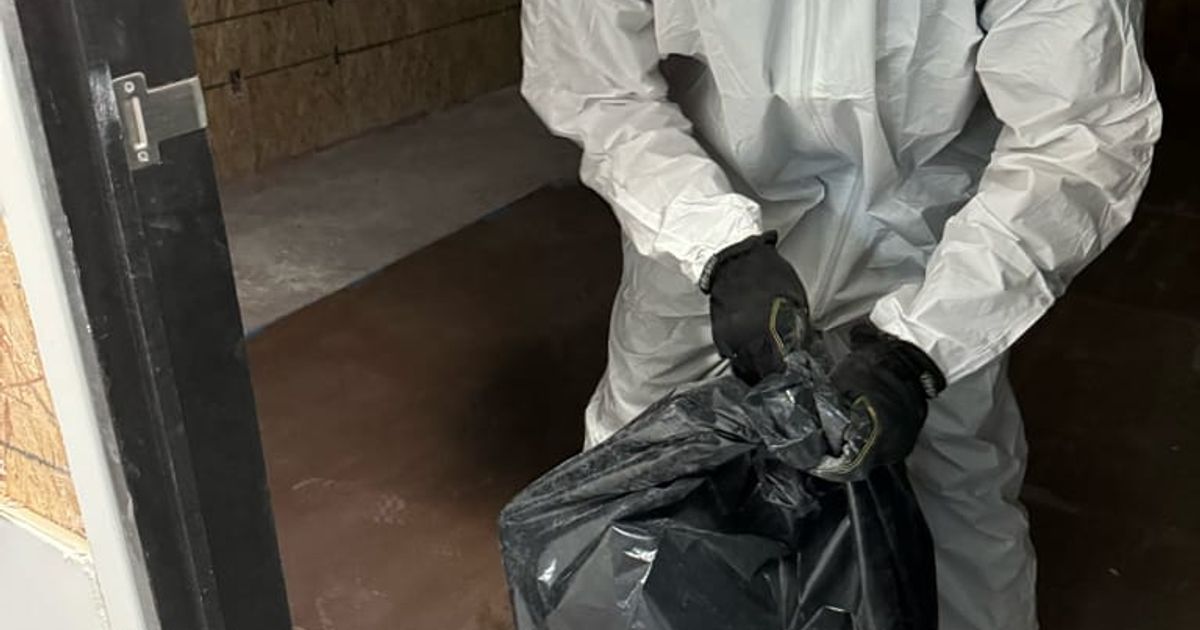
Essential guide to mold testing for Malibu homeowners. Learn when testing is needed, types available, and how coastal conditions affect your property.
Malibu homeowners face unique mold challenges that many other coastal communities don't encounter. The combination of Pacific Ocean moisture, Santa Ana winds, and recent wildfire damage creates conditions where mold can thrive in unexpected places. Properties from Point Dume to Carbon Beach experience salt air infiltration that can mask mold odors, while homes in Malibu Park and Las Virgenes Canyon deal with post-fire moisture issues that increase contamination risks.
Understanding when to test for mold becomes particularly important in Malibu's 90263, 90264, and 90265 zip codes, where luxury properties often feature custom materials that require specialized assessment. Professional mold remediation in Malibu typically begins with proper testing to identify contamination levels and species types. Go Green Restoration has observed that Malibu properties often require more frequent testing due to the area's unique environmental stressors.
When Malibu Properties Need Mold Testing
Malibu's coastal location creates specific scenarios where mold testing becomes necessary. Properties near Broad Beach and Malibu Colony experience regular salt spray that can penetrate building envelopes, creating hidden moisture problems behind walls and under flooring. After major storms, homes in Serra Retreat and hillside areas above Pacific Coast Highway often develop water intrusion issues that aren't immediately visible.
Post-wildfire conditions present another testing trigger unique to Malibu. Properties affected by the Woolsey Fire or subsequent fires may have compromised building materials that allow moisture penetration. Even homes that weren't directly burned can experience smoke damage that creates conditions favorable to mold growth. Testing becomes essential before any restoration work begins, as disturbing contaminated materials without proper assessment can spread spores throughout the property.
Visible signs that warrant immediate testing include water stains on ceilings or walls, musty odors that persist despite cleaning, and health symptoms that improve when residents leave the property. In Malibu's humid microclimates, particularly areas near Malibu Creek or in canyon locations, these signs can appear suddenly after weather changes.
Types of Mold Testing Available for Malibu Homes
Air sampling represents the most common testing method for Malibu properties, particularly effective in detecting airborne spores that coastal winds can distribute throughout homes. This method works well for properties in Malibu Park and Point Dume, where open floor plans and ocean breezes can carry contamination between rooms. Air samples collect spores from both indoor and outdoor environments, allowing comparison to determine if indoor levels exceed normal outdoor concentrations.
Surface sampling becomes important for Malibu's luxury properties with expensive finishes and custom materials. This method tests specific areas where visible growth appears or where moisture problems are suspected. Properties along Carbon Beach often require surface sampling of deck materials, outdoor furniture, and exterior walls that face ocean spray.
Bulk sampling involves removing small pieces of suspected materials for laboratory analysis. This method proves valuable for Malibu homes with unique construction materials or those affected by wildfire damage. Post-fire properties may need bulk sampling of insulation, drywall, or structural materials that absorbed smoke and moisture.
Moisture testing, while not directly testing for mold, identifies conditions that support growth. Malibu's coastal properties benefit from moisture testing of building envelopes, particularly around windows and doors that face prevailing winds from the Pacific.
Understanding Test Results in Malibu's Environment
Interpreting mold test results requires understanding Malibu's baseline environmental conditions. Outdoor spore counts naturally fluctuate based on seasonal patterns, with higher counts typically occurring during fall months when Santa Ana winds distribute spores from inland areas. Properties near Pepperdine University and in canyon locations may show elevated outdoor counts due to vegetation and natural decay processes.
Laboratory results typically report spore counts per cubic meter of air, with species identification for detected mold types. In Malibu, common outdoor species include Cladosporium, Alternaria, and Aspergillus, which naturally occur in coastal environments. Indoor levels that significantly exceed outdoor concentrations, or detection of species not found outdoors, indicate potential contamination issues.
Toxic species like Stachybotrys (black mold) require immediate attention regardless of concentration levels. While less common in Malibu's dry climate, these species can develop in properties with persistent moisture problems, particularly those affected by plumbing leaks or fire suppression water damage.
Results also consider the relationship between different species found indoors versus outdoors. Malibu properties showing indoor species diversity that differs significantly from outdoor samples may indicate hidden moisture sources or contamination from building materials.
Local Environmental Factors Affecting Testing Recommendations
Malibu's unique geography creates specific considerations for mold testing timing and frequency. Properties in wildfire-prone areas of the Santa Monica Mountains should undergo testing after any fire activity in the region, even if not directly affected. Smoke and ash can create conditions that support mold growth weeks or months after initial exposure.
Coastal properties face year-round moisture challenges that affect testing recommendations. Homes along Pacific Coast Highway from Topanga to the Ventura County line experience salt air infiltration that can accelerate material degradation and create hidden moisture problems. These properties benefit from annual testing, particularly before and after winter storm seasons.
Seasonal weather patterns influence optimal testing times. Late spring testing, after winter rains but before summer dry conditions, often provides the most accurate assessment of potential problems. Fall testing, following summer humidity and before winter storms, helps identify issues before they worsen during rainy months.
Properties with swimming pools, spas, or water features require special consideration due to increased ambient humidity. Malibu's luxury properties often feature extensive water amenities that can create microclimates supporting mold growth in adjacent indoor spaces.
## Related Articles
Learn more about restoration services in Malibu:
While home test kits are available, Malibu's complex environmental conditions typically require professional assessment. The interaction between coastal moisture, wildfire effects, and luxury construction materials creates scenarios that generic test kits cannot properly evaluate. Professional testing provides species identification, concentration levels, and recommendations specific to local conditions.
Certified inspectors understand how Malibu's unique factors affect sampling strategies. They know to test multiple locations in properties with complex layouts common in hillside homes, and they understand how ocean proximity affects baseline measurements. Professional testing also provides documentation necessary for insurance claims related to wildfire damage or coastal storm impacts.
For properties in Malibu Colony or other high-value areas, professional testing protects significant investments by ensuring accurate assessment before costly remediation begins. The detailed reporting from professional testing also supports property values by providing documentation of environmental conditions for future buyers or insurance purposes.
Need Professional Help?
Go Green Restoration provides 24/7 emergency services throughout Los Angeles and Ventura Counties. Licensed (#1005708), bonded, and insured.