Preventing Mold Growth in Lakewood: A Seasonal Guide
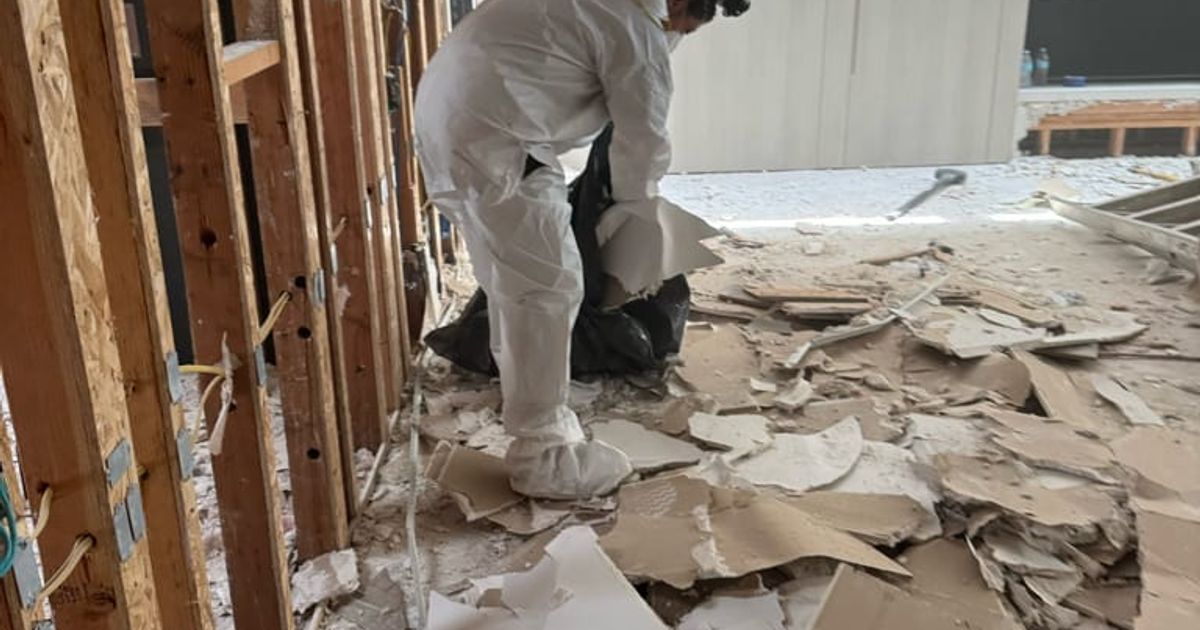
Protect your Lakewood home from mold with this seasonal prevention guide covering moisture control, ventilation, and preparation for local climate conditions.
Lakewood's unique position as one of America's first planned communities presents distinct challenges for mold prevention. Built primarily in the early 1950s, virtually every home in neighborhoods like Lakewood Village and Del Amo shares similar aging infrastructure that requires proactive moisture management. The city's flat terrain and slab-on-grade construction make homes particularly vulnerable to moisture intrusion, especially during Southern California's unpredictable weather patterns.
The combination of aging plumbing systems and Lakewood's flat topography creates perfect conditions for mold growth if homeowners aren't vigilant. When heavy rains overwhelm the city's aging storm drains, water can pool around foundations and seep into homes through cracks in concrete slabs. Professional mold remediation in Lakewood often traces back to these moisture issues that could have been prevented with seasonal maintenance.
Understanding how each season affects your Lakewood home's moisture levels helps you stay ahead of potential mold problems. From winter's rare but intense storms to summer's humidity fluctuations, each season demands specific prevention strategies tailored to local conditions.
Winter Mold Prevention in Lakewood
Winter brings Lakewood's heaviest rainfall, typically between December and March. The city's flat terrain means water doesn't drain quickly, creating standing water around foundations in areas like Mayfair and Lakewood Park. Check your home's exterior drainage monthly during winter, ensuring gutters direct water at least six feet from your foundation.
Inspect the areas around your home where concrete slabs meet exterior walls. Lakewood's post-war construction often shows settling cracks after 70+ years, and these become entry points for moisture during winter storms. Seal any visible cracks with appropriate caulking, paying special attention to areas near bathrooms and kitchens where interior moisture combines with exterior water intrusion.
Indoor humidity control becomes essential when winter rains prevent natural ventilation. Run bathroom and kitchen exhaust fans during and after use, even on cool days. Many Lakewood homes still have original ventilation systems that may not adequately remove moisture, so consider upgrading to higher-capacity fans if you notice condensation on windows or mirrors.
Spring Preparation and Moisture Assessment
Spring offers the perfect opportunity to assess winter damage and prepare for temperature fluctuations. Walk through your Lakewood home checking for signs of moisture intrusion that occurred during winter storms. Look for water stains on walls, musty odors in closets, or warped flooring, particularly in homes near Lakewood Center where older construction may show more settling.
Test your HVAC system before summer heat arrives. Many Lakewood homes have aging ductwork that develops leaks over time, creating condensation problems when cool air meets warm surfaces. Have ducts inspected and sealed if necessary, as leaky ducts in crawl spaces or attics create ideal mold growth conditions.
Spring cleaning should include checking under sinks, around water heaters, and behind appliances for signs of slow leaks. Given that most Lakewood homes have plumbing systems installed in the 1950s, small leaks are common and often go unnoticed until mold appears. Replace any damaged caulking around tubs, showers, and sinks before summer humidity makes these areas more problematic.
Summer Humidity Management Strategies
Lakewood's summer humidity, combined with air conditioning use, creates unique mold risks. The temperature differential between cool indoor air and warm outdoor conditions causes condensation on cold surfaces, particularly around air conditioning vents and windows. Maintain indoor humidity between 30-50% using dehumidifiers in problem areas like basements or rooms with poor circulation.
Pay attention to rooms that feel stuffy or smell musty, especially in areas like Del Amo where mature landscaping can block natural airflow. Improve circulation with ceiling fans or portable fans, ensuring air moves freely through all living spaces. Avoid closing off rooms completely, as stagnant air promotes mold growth.
Regularly clean and replace HVAC filters during summer months when systems run continuously. Dirty filters restrict airflow and can cause moisture buildup in ductwork. Consider upgrading to HEPA filters if family members have allergies, as these also help remove mold spores from circulation.
Fall Storm Preparation and System Maintenance
Fall preparation focuses on readying your Lakewood home for winter's return. Clean gutters thoroughly, removing debris that could cause overflow during storms. Given Lakewood's mature trees, particularly around Mayfair Park, fall brings significant leaf accumulation that can clog drainage systems.
Inspect your roof for loose or damaged tiles, as Lakewood's aging homes often need attention to maintain weather-tight seals. Small roof leaks become major mold problems when winter rains arrive, so address any issues before storm season begins.
Schedule professional HVAC maintenance to ensure your system operates efficiently through winter. This includes cleaning coils, checking refrigerant levels, and ensuring proper drainage from condensate lines. Many mold problems start with blocked condensate drains that allow water to pool in HVAC systems.
## Related Articles
Learn more about restoration services in Lakewood:
Maintain consistent vigilance throughout the year by checking common problem areas monthly. These include areas around windows, under sinks, near water heaters, and anywhere plumbing penetrates walls or floors. Lakewood's aging infrastructure means these vulnerable points require regular attention.
Document any moisture issues with photos and dates, creating a record that helps identify patterns or recurring problems. This information proves valuable when working with contractors or insurance companies if major moisture intrusion occurs.
When prevention efforts aren't enough, Go Green Restoration provides expert mold assessment and remediation services specifically designed for Lakewood's unique housing challenges. Their team understands how the city's post-war construction and aging infrastructure contribute to moisture problems, offering solutions that address both immediate mold issues and underlying causes.
Establish relationships with trusted local contractors who understand Lakewood's specific challenges, from slab leak specialists to roofing professionals familiar with 1950s construction methods. Having these contacts ready before problems develop ensures quick response when moisture issues arise, preventing small problems from becoming major mold infestations.
Need Professional Help?
Go Green Restoration provides 24/7 emergency services throughout Los Angeles and Ventura Counties. Licensed (#1005708), bonded, and insured.