Lawndale Rental Properties and Mold: Tenant and Landlord Rights
Learn tenant and landlord mold rights in Lawndale, CA. California disclosure laws, remediation duties, and dispute resolution for rental properties.
Lawndale's older housing stock, built predominantly in the 1950s and 1960s, presents unique challenges for both tenants and landlords when it comes to mold issues. The city's compact 2.4-square-mile area contains numerous rental properties in neighborhoods like Lawndale Heights and Redondo Junction, where aging plumbing systems and deteriorating roofing materials create ideal conditions for mold growth. The persistent South Bay marine layer adds another layer of complexity, as moisture from the ocean regularly blankets properties in the 90260 and 90261 ZIP codes.
California law provides specific protections and obligations for both parties in rental agreements, particularly when moisture intrusion from Lawndale's shared drainage systems with neighboring Hawthorne, Gardena, and Torrance creates flooding during heavy rain events. Professional mold remediation in Lawndale often becomes necessary when these environmental factors combine with the city's aging infrastructure to create persistent mold problems in rental units.
California Disclosure Requirements for Lawndale Landlords
Landlords in Lawndale must comply with California Civil Code Section 1102.6, which requires disclosure of known mold conditions exceeding safe levels. This requirement becomes particularly relevant for properties near Alondra Park, where the combination of irrigation runoff and the area's flat terrain can create moisture accumulation around building foundations. Property owners must provide written disclosure if they know of mold problems that could affect tenant health or safety.
The disclosure obligation extends beyond visible mold to include knowledge of water damage, leaks, or flooding that could lead to mold growth. Given Lawndale's history of drainage issues during El Niño years, landlords who have experienced previous flooding must inform prospective tenants. This includes properties that have suffered water damage from the city's aging sewer systems, which sometimes back up during heavy rainfall periods that affect the broader South Bay region.
Failure to disclose known mold conditions can result in legal liability for landlords, including potential damages for tenant health issues, relocation costs, and property damage to tenant belongings. The disclosure must be made before lease signing, and landlords cannot waive their disclosure obligations through lease clauses.
Tenant Rights and Responsibilities in Lawndale Rentals
Tenants in Lawndale rental properties have the right to a habitable dwelling under California's implied warranty of habitability. This includes protection from mold conditions that could affect health or safety. Tenants must promptly report water leaks, moisture problems, or visible mold growth to their landlords, particularly important in Lawndale's older buildings where small leaks can quickly escalate into major mold issues.
The marine layer that regularly affects Lawndale creates condensation problems in poorly ventilated units, making tenant cooperation essential for mold prevention. Tenants should use exhaust fans, report ventilation problems, and avoid activities that create excessive moisture without proper ventilation. However, tenants cannot be held responsible for mold growth caused by structural defects, plumbing failures, or building design issues common in the city's mid-century construction.
When mold problems arise, tenants have several options under California law. They can request repairs through written notice, withhold rent for uninhabitable conditions, or terminate the lease if the landlord fails to address serious mold issues. Tenants may also be entitled to relocation assistance if temporary displacement becomes necessary during remediation work.
Landlord Remediation Obligations and Timeline
Landlords in Lawndale must respond promptly to mold-related repair requests, typically within 30 days for non-emergency issues and immediately for health-threatening conditions. The city's aging infrastructure means that mold problems often stem from multiple sources – roof leaks, plumbing failures, and poor drainage – requiring comprehensive solutions rather than surface treatments.
Property owners must address the underlying moisture source before treating mold growth. This might involve upgrading 1950s-era plumbing systems, improving roof drainage, or installing better ventilation in units affected by the South Bay's humid conditions. Simply painting over mold or using temporary fixes does not satisfy the landlord's legal obligations under California habitability standards.
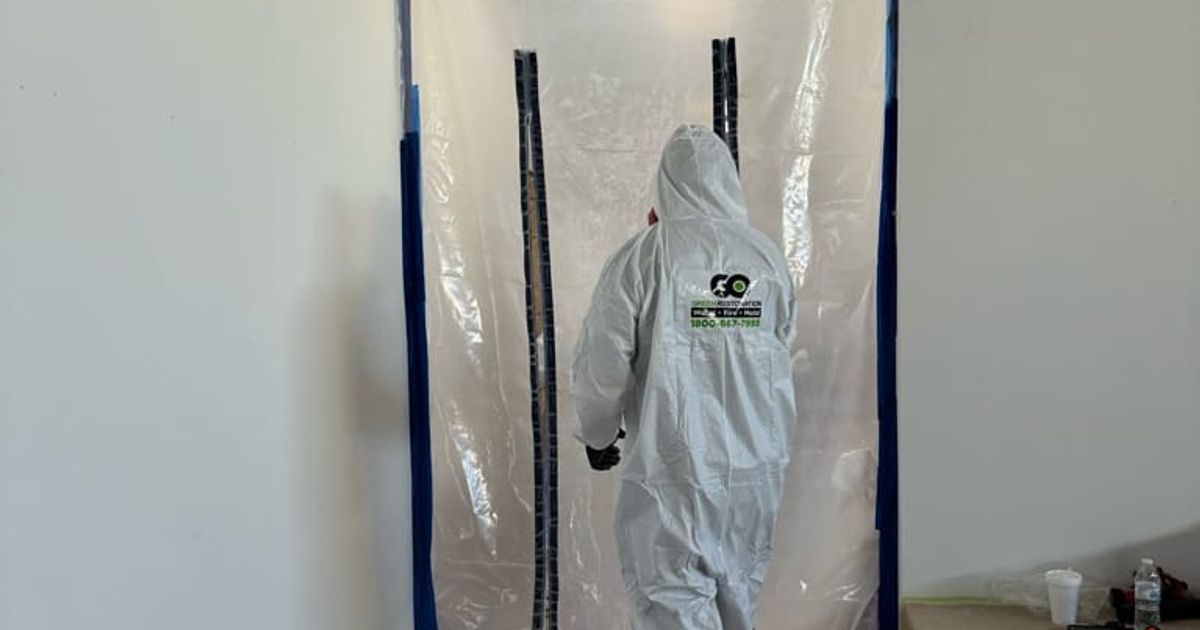
When professional remediation becomes necessary, landlords must hire qualified contractors and may need to provide alternative housing for tenants during the work. The remediation must follow industry standards and may require post-remediation testing to verify successful mold removal. Go Green Restoration, serving Lawndale and surrounding South Bay communities, works with property owners to ensure remediation meets both legal requirements and tenant safety standards.
Dispute Resolution and Legal Remedies
When disagreements arise between Lawndale tenants and landlords regarding mold issues, several resolution paths exist under California law. Tenants can file complaints with local health departments, though Los Angeles County's jurisdiction over Lawndale means working through county health services rather than city-specific agencies.
Small claims court provides an accessible option for damages under $10,000, while superior court handles larger disputes involving significant health impacts or property damage. Tenants may recover damages for medical expenses, temporary housing costs, damaged personal property, and in some cases, punitive damages for landlord negligence.
Mediation services through Los Angeles County can help resolve disputes without litigation, particularly useful for ongoing landlord-tenant relationships. These services understand the unique challenges posed by Lawndale's housing stock and environmental conditions, helping parties reach practical solutions that address both immediate mold problems and long-term prevention strategies.
Documentation proves essential in any dispute resolution process. Both parties should maintain records of communications, repair requests, remediation efforts, and any health impacts. Photographs, medical records, and professional inspection reports strengthen legal positions and help demonstrate the scope of mold problems in Lawndale's challenging environmental conditions.
For more information, visit our mold resources.
Need Professional Help?
Go Green Restoration provides 24/7 emergency services throughout Los Angeles and Ventura Counties. Licensed (#1005708), bonded, and insured.