Rolling Hills Rental Properties and Mold: Tenant and Landlord Rights
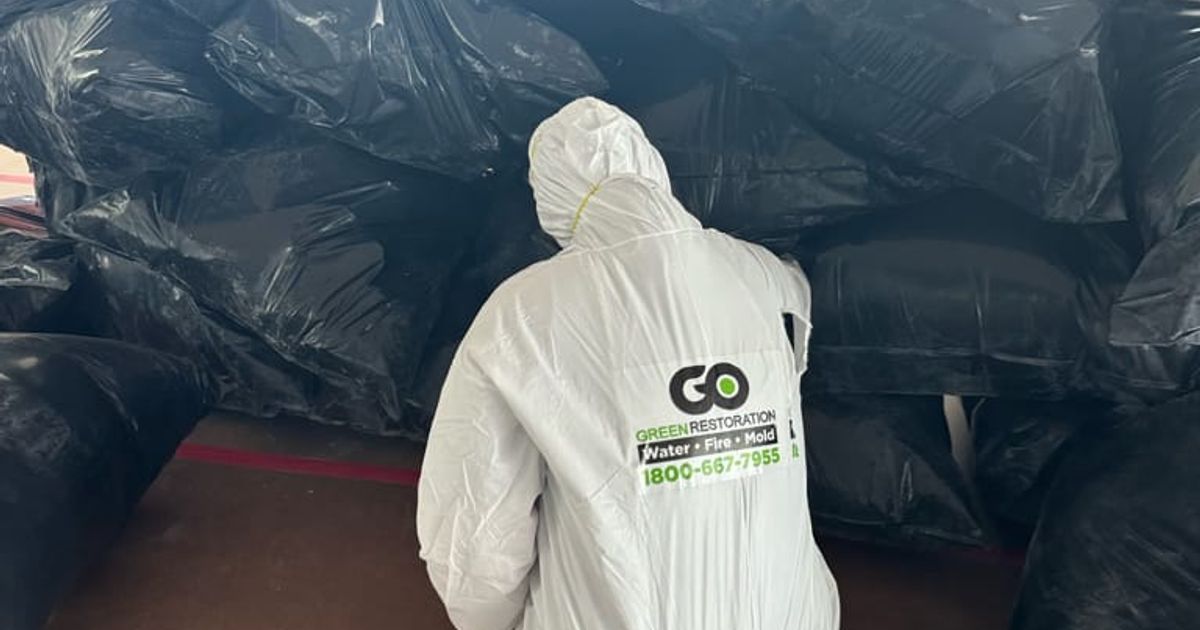
Learn tenant and landlord mold rights in Rolling Hills, CA. Understand California disclosure laws, remediation duties, and dispute resolution for rental properties.
Rolling Hills' exclusive gated community on the Palos Verdes Peninsula presents unique challenges for rental property owners and tenants dealing with mold issues. The area's coastal proximity brings marine moisture that can infiltrate the large estate properties, while the hillside terrain creates drainage problems that exacerbate mold growth conditions. Understanding the legal framework governing mold-related responsibilities becomes essential when these environmental factors combine with California's strict tenant protection laws.
The Rolling Hills Community Association oversees properties where rental agreements must comply with both local regulations and state mandates regarding habitability. When mold problems arise in these high-value properties, both landlords and tenants need to understand their rights and obligations under California law. Professional mold remediation in Rolling Hills often becomes necessary given the complex systems in these large homes and the challenging environmental conditions.
California Mold Disclosure Requirements for Rolling Hills Properties
California Civil Code Section 1102.6 requires landlords to disclose known mold conditions exceeding 10 square feet to prospective tenants. In Rolling Hills' ZIP code 90274, this becomes particularly relevant given the area's susceptibility to moisture intrusion from coastal fog and drainage issues common to hillside properties. Estate homes near Rolling Hills Country Club often feature complex architectural elements like basements, wine cellars, and multi-level structures that can harbor hidden mold growth.
Landlords must provide written disclosure before lease signing if they know about previous mold problems, water damage, or ongoing moisture issues. The disclosure must include any professional mold assessments conducted on the property within the past three years. For Rolling Hills properties, this often includes documentation of remediation efforts related to the area's unique challenges, such as retaining wall moisture problems or equestrian facility water damage.
Failure to properly disclose known mold conditions can result in legal liability for landlords, including potential lease voidability and damages. Given the high property values in Rolling Hills, these financial consequences can be substantial, making proper disclosure practices essential for property owners.
Landlord Remediation Obligations Under California Law
California's warranty of habitability requires landlords to maintain rental properties in livable condition, which includes addressing mold problems that affect tenant health or safety. In Rolling Hills, where properties often exceed several thousand square feet with complex HVAC systems, landlords must ensure adequate ventilation and moisture control throughout these large spaces.
When tenants report mold issues, landlords have specific timeframes for response. Non-emergency mold problems require landlord action within 30 days of written notice, while health-threatening situations demand immediate attention. Rolling Hills properties with their extensive grounds and multiple structures may require professional assessment to determine the scope of remediation needed.
Landlords cannot simply paint over mold or use temporary fixes. California law requires proper remediation that addresses the underlying moisture source. For Rolling Hills properties, this might involve complex solutions like foundation waterproofing, drainage system repairs, or HVAC modifications to handle the coastal moisture conditions effectively.
Tenant Rights and Responsibilities in Rolling Hills Rentals
Tenants in Rolling Hills have the right to live in mold-free environments that don't threaten their health. They must provide written notice to landlords about suspected mold problems, including detailed descriptions of visible growth, musty odors, or health symptoms potentially related to mold exposure. Given the size of Rolling Hills properties, tenants should document mold locations with photographs and specify affected rooms or areas.
Tenants cannot withhold rent solely due to mold complaints without following proper legal procedures. California requires tenants to give landlords reasonable opportunity to address reported problems before pursuing rent withholding or other remedies. However, if landlords fail to respond appropriately to legitimate mold concerns, tenants may have grounds for lease termination or legal action.
Renters must also maintain reasonable care to prevent mold growth through proper ventilation use, prompt reporting of leaks or water damage, and basic housekeeping practices. In Rolling Hills' large properties, this includes monitoring multiple bathrooms, kitchen areas, and other moisture-prone spaces throughout the home.
Dispute Resolution and Legal Remedies
When mold disputes arise between Rolling Hills landlords and tenants, several resolution options exist under California law. Tenants may pursue remedies including rent reduction, repair and deduct rights (up to one month's rent), or lease termination for uninhabitable conditions. Given Rolling Hills' high rental values, these financial impacts can be significant for both parties.
California courts consider factors like mold severity, health impacts, landlord responsiveness, and property conditions when resolving disputes. Rolling Hills properties' unique characteristics, such as their hillside locations and coastal exposure, may influence court decisions about reasonable remediation timeframes and methods.
Mediation services through Los Angeles County can provide cost-effective dispute resolution for mold-related conflicts. This approach often works well for Rolling Hills residents who prefer maintaining privacy while resolving property issues. Professional documentation from qualified mold assessors becomes valuable evidence in any formal dispute resolution process.
Working with Professional Mold Services
Rolling Hills' challenging environmental conditions often require professional expertise to properly address mold issues in rental properties. The area's marine climate, hillside drainage problems, and large property sizes create complex remediation scenarios that exceed typical DIY approaches.
Go Green Restoration Inc works with both landlords and tenants throughout Los Angeles County to provide proper mold assessment and remediation services that comply with California legal requirements. Professional services ensure that both parties meet their legal obligations while protecting property values and tenant health in Rolling Hills' unique environment.
Proper documentation from licensed professionals helps prevent future disputes and demonstrates good faith efforts by landlords to maintain habitable conditions. For Rolling Hills properties, this professional approach becomes particularly valuable given the area's high-stakes real estate market and sophisticated tenant expectations.
For more information, visit our mold resources.
Need Professional Help?
Go Green Restoration provides 24/7 emergency services throughout Los Angeles and Ventura Counties. Licensed (#1005708), bonded, and insured.