Santa Rosa Valley Rental Properties and Mold: Tenant and Landlord Rights
Essential guide to mold rights and responsibilities for Santa Rosa Valley rental properties, covering California law, disclosure requirements, and remediation obligations.
Santa Rosa Valley's unique rural-residential environment in Ventura County presents specific mold challenges for rental properties. The community's location in ZIP code 93012, surrounded by dry brush and hills, creates conditions where moisture from irrigation systems, storm runoff, and extreme heat fluctuations can lead to mold growth in rental homes and equestrian facilities. Understanding the legal framework governing mold issues becomes essential for both tenants and landlords in this tight-knit community of 7,300 residents.
The valley's extensive estate properties often feature complex plumbing and irrigation systems that serve both residential and equestrian needs. When these systems develop leaks or drainage issues from hillside runoff, mold remediation in Santa Rosa Valley becomes necessary to protect both property value and tenant health. California's habitability laws apply equally to Santa Rosa Valley's rural rentals, from modest homes near the Santa Rosa Trail to larger properties in Santa Rosa Valley Estates.
California Mold Disclosure Requirements for Santa Rosa Valley Landlords
California Civil Code Section 1102.6 requires landlords to disclose known mold conditions exceeding certain thresholds. In Santa Rosa Valley, this becomes particularly relevant given the area's wildfire history, including the 2019 Easy Fire that threatened the community. Properties that experienced water damage during firefighting efforts or subsequent repairs may have developed mold issues that require disclosure.
Landlords must provide written disclosure if they know of mold conditions that exceed 10 square feet in a single patch or if the mold was caused by water intrusion from building defects. Santa Rosa Valley's rural setting means many properties rely on well water and septic systems, and landlords must disclose any known issues with these systems that could contribute to moisture problems. Properties with equestrian facilities face additional disclosure requirements if barns, stables, or feed storage areas have experienced mold growth that could affect the main residence.
The disclosure must be provided before tenants sign a lease agreement. For Santa Rosa Valley properties, landlords should also inform tenants about the area's drainage challenges and any history of water intrusion during seasonal storms. This proactive approach protects both parties and establishes clear expectations about the property's condition.
Tenant Rights and Responsibilities in Santa Rosa Valley
Tenants in Santa Rosa Valley have the right to a habitable dwelling under California's implied warranty of habitability. This includes protection from mold conditions that could affect health or safety. Given the area's extreme heat and potential for rapid temperature changes, tenants should understand their rights when mold appears due to inadequate ventilation or HVAC system failures.
Tenants must promptly notify landlords of any water leaks, drainage problems, or visible mold growth. In Santa Rosa Valley's rural setting, this includes reporting issues with irrigation systems that serve landscaping around rental properties, as these can create moisture conditions conducive to mold growth. Tenants should document all communications with photographs and written notices, particularly important given the area's proximity to Camarillo, Thousand Oaks, and Moorpark, where legal resources may be more readily available.
However, tenants also bear responsibility for reasonable care. This includes proper ventilation, prompt reporting of plumbing issues, and avoiding activities that create excessive moisture. In Santa Rosa Valley's dry climate, tenants should balance humidity levels appropriately and ensure proper drainage around patios and outdoor areas that could affect the property's foundation.
Landlord Remediation Obligations and Timelines
Once notified of mold issues, Santa Rosa Valley landlords have specific obligations under California law. The response timeline depends on the severity of the problem, but landlords must address habitability issues within a reasonable timeframe, typically 30 days for non-emergency situations. Given Santa Rosa Valley's rural location and the need to coordinate with contractors serving Ventura County, landlords should begin remediation efforts promptly.
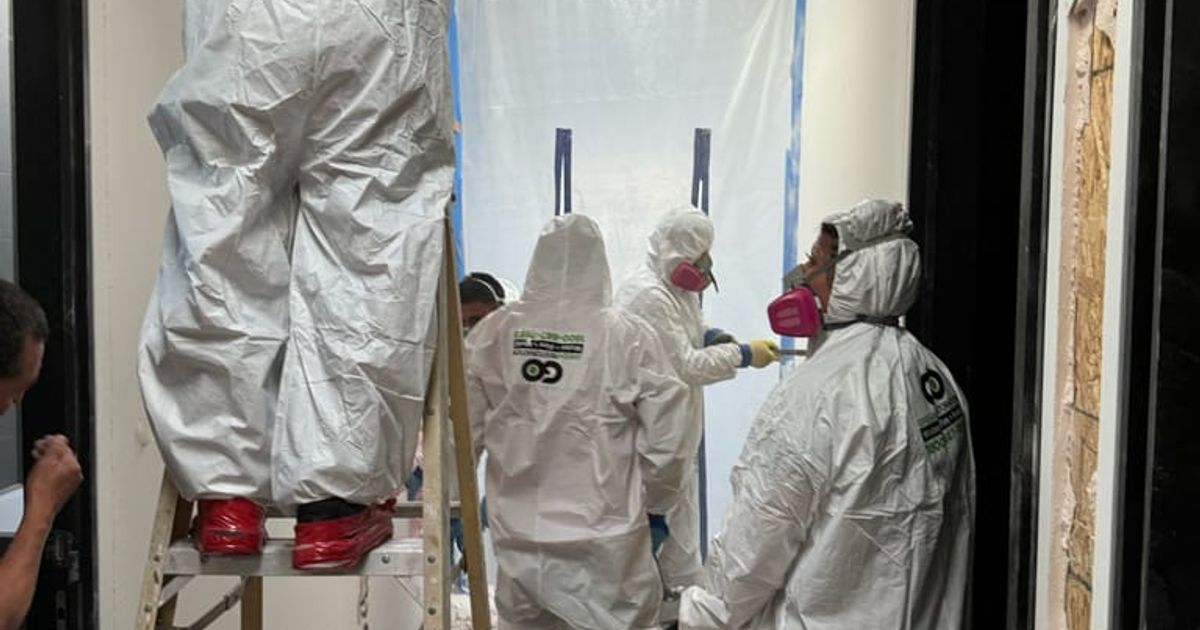
Landlords must hire qualified professionals for significant mold remediation, particularly in properties with extensive square footage common in Santa Rosa Valley Estates. Go Green Restoration Inc works with property owners throughout Ventura County to address mold issues while maintaining the rural character of Santa Rosa Valley properties. The remediation process must address both visible mold and underlying moisture sources, which may include irrigation system repairs or drainage improvements specific to the valley's topography.
Landlords cannot simply paint over mold or attempt superficial fixes. California law requires proper remediation that eliminates the mold source and prevents recurrence. For Santa Rosa Valley properties with equestrian facilities, this may involve addressing moisture issues in barns or outbuildings that could spread to residential areas.
Dispute Resolution and Legal Remedies
When mold disputes arise between Santa Rosa Valley tenants and landlords, several resolution options exist. Tenants can withhold rent under California's repair and deduct remedy if the landlord fails to address serious mold problems within reasonable timeframes. However, this remedy requires following specific procedures, including proper written notice and allowing adequate time for repairs.
Mediation services available through Ventura County can help resolve disputes without costly litigation. Given Santa Rosa Valley's small community size, maintaining good relationships often benefits both parties long-term. Tenants may also pursue habitability claims in small claims court or superior court, depending on damages sought.
For severe cases where mold poses immediate health risks, tenants may have grounds to break leases without penalty. This becomes particularly relevant in Santa Rosa Valley, where alternative housing options may be limited due to the rural setting. Landlords who fail to address serious mold problems may face liability for tenant health issues, property damage, and legal costs.
## Related Articles
Learn more about restoration services in Santa Rosa Valley:
- Mold Emergency Guide for Santa Rosa Valley Homeowners
- Hidden Mold in Santa Rosa Valley Homes: Where to Look
- Choosing a Mold Removal Company in Santa Rosa Valley: A Homeowner's Complete Guide
Preventing mold disputes requires proactive measures suited to Santa Rosa Valley's unique environment. Landlords should conduct regular inspections of plumbing systems, particularly those serving both residential and equestrian needs. Given the area's wildfire risk and extreme heat, HVAC systems require regular maintenance to prevent condensation issues that could lead to mold growth.
Establishing clear lease terms about moisture control, ventilation requirements, and maintenance responsibilities helps prevent disputes. Santa Rosa Valley landlords should consider including specific provisions about irrigation system maintenance and drainage management, given the area's topographical challenges. Regular communication between tenants and landlords about property conditions can identify potential problems before they become serious mold issues requiring extensive remediation.
Need Professional Help?
Go Green Restoration provides 24/7 emergency services throughout Los Angeles and Ventura Counties. Licensed (#1005708), bonded, and insured.