Post-Fire Rebuilding in South El Monte: What to Expect
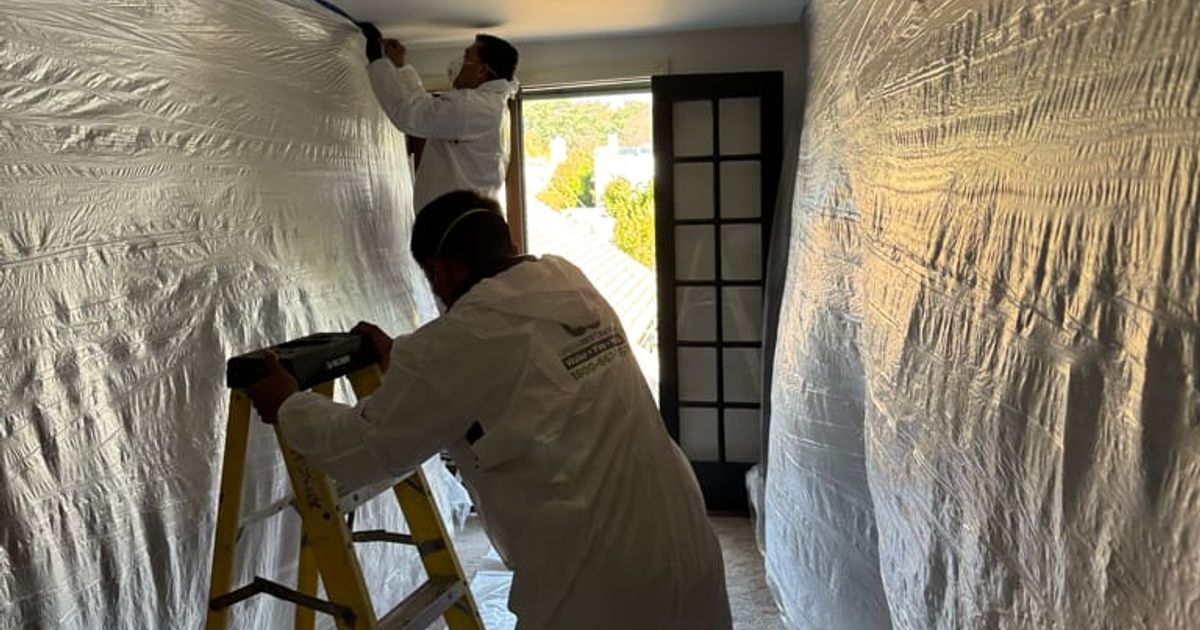
Navigate post-fire rebuilding in South El Monte with this guide covering permits, insurance, timelines, and upgrade opportunities for homeowners.
Rebuilding your home after a fire in South El Monte presents unique challenges that differ from other San Gabriel Valley communities. The city's industrial-residential mix near the Whittier Narrows Dam area requires specific considerations during reconstruction, from addressing potential flood mitigation to working within local building codes that reflect the area's varied property types.
South El Monte homeowners face distinct rebuilding requirements due to the city's location and infrastructure. The proximity to industrial facilities means contractors must navigate specific environmental regulations, while the area's aging housing stock from the 1950s-60s often reveals underlying issues once fire damage is cleared. Professional fire & smoke damage restoration in South El Monte becomes essential not just for cleanup, but for identifying structural concerns that weren't visible before the fire.
The rebuilding process in ZIP code 91733 typically takes longer than in purely residential communities due to additional inspections required for properties near industrial zones. Go Green Restoration Inc has observed that South El Monte projects often uncover outdated electrical systems and plumbing that must be brought to current code during reconstruction, extending timelines but ultimately improving home safety and value.
Understanding South El Monte's Permit Process
The City of South El Monte requires specific permits for fire-damaged properties, particularly those in the Whittier Narrows area where flood considerations impact foundation and structural requirements. Homeowners must obtain building permits through the city's Building and Safety Department, which conducts thorough reviews of properties near the Whittier Narrows Dam due to potential flood zone regulations.
Reconstruction permits in South El Monte typically take 4-6 weeks for approval, longer than neighboring El Monte or Rosemead due to additional environmental reviews. Properties within certain distances of industrial facilities require hazmat assessments, while homes near Lashbrook Park may need additional landscaping permits if rebuilding affects drainage patterns. The city's mixed zoning creates layers of approval processes that homeowners should factor into their timeline planning.
Many South El Monte properties built in the post-war boom require electrical upgrades to current code during rebuilding. The city mandates modern fire safety systems, including updated smoke detection and emergency egress windows, which weren't required in original 1950s-60s construction. These upgrades, while adding to costs, significantly improve safety in a community where aging infrastructure poses ongoing risks.
Working with Insurance in South El Monte's Unique Environment
Insurance claims in South El Monte often involve complications not seen in other San Gabriel Valley cities. The area's industrial proximity means adjusters must differentiate between fire damage and potential contamination from nearby facilities. Properties near the Whittier Narrows Dam may have flood insurance considerations that affect fire claim settlements, requiring careful documentation of damage sources.
South El Monte's older housing stock frequently reveals pre-existing conditions during fire restoration that complicate insurance coverage. Many homes have outdated plumbing systems that fail during firefighting efforts, creating water damage that insurers may dispute as pre-existing rather than fire-related. Homeowners should document all systems thoroughly before reconstruction begins, particularly in homes built during the area's 1950s-60s development boom.
The city's heat patterns, intensified by industrial activity and limited green space compared to areas near Whittier or Santa Fe Springs, often stress HVAC systems beyond normal wear. Insurance companies may challenge HVAC replacement claims if systems show heat-related deterioration rather than direct fire damage. Proper documentation becomes essential for South El Monte homeowners seeking full coverage for mechanical systems.
Reconstruction Timeline Expectations
Fire rebuilding in South El Monte typically takes 8-12 months from permit approval to completion, longer than in purely residential communities due to the area's regulatory complexity. Properties in the Whittier Narrows area face additional delays when soil testing reveals contamination from historical industrial activity, requiring remediation before construction can proceed.
The city's infrastructure limitations affect reconstruction schedules, particularly during summer months when San Gabriel Valley heat stresses utility systems. Power and water connections may take longer to restore in South El Monte compared to newer developments in Pico Rivera or Rosemead, as aging utility infrastructure requires upgrades to support modern electrical demands.
Material delivery schedules in South El Monte benefit from the area's industrial access but can face delays during peak construction seasons when truck traffic competes with commercial deliveries to nearby facilities. Homeowners should expect potential scheduling conflicts during spring and summer months when both residential rebuilding and industrial maintenance projects peak simultaneously.
Upgrade Opportunities During Rebuilding
Rebuilding after fire damage in South El Monte presents unique opportunities to address the area's specific challenges. Upgrading electrical systems becomes mandatory in most cases, but homeowners can enhance these requirements with whole-house surge protection and updated panel capacity to handle modern appliances and potential electric vehicle charging needs.
The area's heat issues, exacerbated by limited tree cover compared to nearby Whittier, make HVAC upgrades particularly valuable during rebuilding. Installing high-efficiency systems with proper insulation addresses both the San Gabriel Valley's temperature extremes and reduces energy costs in a community where many residents face economic pressures from industrial job market fluctuations.
Foundation improvements during rebuilding can address both fire damage and South El Monte's unique flood risks near the Whittier Narrows Dam. Modern waterproofing and drainage systems protect against both flood events and the condensation issues common in the area's aging housing stock. These upgrades often qualify for insurance discounts and increase property values in a market where flood-resistant features command premiums.
## Related Articles
Learn more about restoration services in South El Monte:
- Fire Damage to South El Monte Commercial Properties: Complete Restoration Guide
- Wildfire Risk in South El Monte: How to Protect Your Property
- South El Monte Fire Safety: Prevention Tips for Your Neighborhood
South El Monte's rebuilding process should incorporate resilience planning that addresses the community's specific vulnerabilities. The area's industrial-residential mix creates ongoing fire risks that proper landscaping and defensible space can mitigate, particularly important given the limited green space compared to communities closer to the San Gabriel Mountains.
Modern fire-resistant materials become especially important in South El Monte's environment, where industrial activity and summer heat create elevated fire risks. Composite roofing, fiber cement siding, and tempered glass windows provide protection while maintaining the community's architectural character established during its mid-century development period.
Utility upgrades during rebuilding should consider South El Monte's infrastructure age and capacity limitations. Installing backup power systems and water storage addresses both fire safety and the service interruptions common in areas with aging utility infrastructure, providing security for families in a community where industrial employment may not always guarantee steady income for emergency expenses.
Need Professional Help?
Go Green Restoration provides 24/7 emergency services throughout Los Angeles and Ventura Counties. Licensed (#1005708), bonded, and insured.