Wildfire Risk in Alhambra: How to Protect Your Property
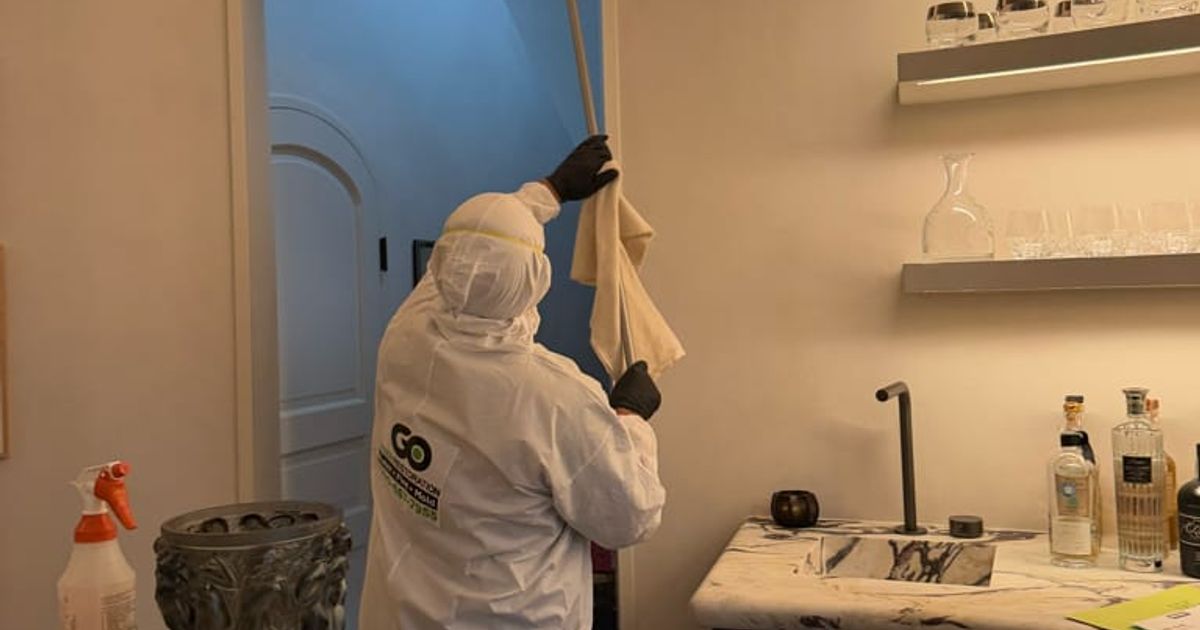
Learn how Alhambra's terrain and older homes create wildfire risks. Expert tips for defensible space, home hardening, and evacuation planning.
Alhambra's location in the San Gabriel Valley places the city in a unique position regarding wildfire risk. While not directly adjacent to wilderness areas like some foothill communities, the city's proximity to the San Gabriel Mountains and the Arroyo Seco corridor creates exposure to wind-driven embers and smoke during major fire events. The devastating Bobcat Fire of 2020 demonstrated how quickly fires can spread from the nearby Angeles National Forest, affecting air quality and creating ash fallout throughout neighborhoods like Emery Park and Granada Park.
The city's older housing stock, with many homes built before modern fire-resistant building codes, presents additional vulnerabilities. Properties in areas like Midwick Tract and Ramona, where homes often feature wooden shake roofs and single-pane windows, require extra attention for fire preparedness. When fires do impact Alhambra properties, residents need access to professional fire & smoke damage restoration in Alhambra services that understand the unique challenges of the city's vintage architecture.
Understanding Alhambra's Fire Risk Geography
Alhambra's topography creates specific fire risk patterns that homeowners must understand. The city sits at elevations ranging from 300 to 800 feet, with higher areas near Almansor Park and the Granada Hills section facing greater exposure to Santa Ana winds. These dry, hot winds can carry embers from fires in the San Gabriel Mountains directly into residential areas, particularly affecting properties along Valley Boulevard and Mission Road corridors.
The Arroyo Seco, which runs along Alhambra's northern border with South Pasadena, acts as a natural fire corridor during extreme weather events. Vegetation along this waterway can dry out completely during drought periods, creating a pathway for fires to spread westward from the foothills. Neighborhoods near this boundary, including parts of the 91801 ZIP code area, face elevated risk during red flag warning conditions.
Urban heat island effects in Alhambra's dense residential areas can exacerbate fire conditions. The concentration of asphalt, concrete, and older buildings without adequate ventilation creates pockets of extreme heat during summer months, making properties more susceptible to ignition from wind-blown embers.
Creating Effective Defensible Space in Dense Neighborhoods
Alhambra's urban density presents unique challenges for creating defensible space around homes. Unlike rural properties with extensive acreage, city lots typically measure 50 by 150 feet or smaller, requiring strategic vegetation management within tight confines. Focus on the immediate five-foot zone around your home by removing all flammable materials, including dried leaves that accumulate under the mature trees common throughout neighborhoods like Emery Park.
Many Alhambra properties feature mature pepper trees, eucalyptus, and palm trees that require specific maintenance approaches. Pepper trees should be pruned to remove dead branches and maintain clearance from rooflines, while palm trees need regular removal of dead fronds that can ignite easily. The eucalyptus trees scattered throughout the city present particular fire risks due to their oil content and tendency to shed bark.
Property lines in Alhambra often feature shared vegetation between neighbors, making coordinated defensible space efforts essential. Work with adjacent property owners to maintain clear zones along fence lines and remove overgrown shrubs that could carry fire between homes. The city's narrow side yards require careful attention to ensure adequate clearance from structures while maintaining privacy screening.
Home Hardening for Alhambra's Older Properties
Alhambra's vintage housing stock requires targeted hardening measures that respect the architectural character while improving fire resistance. Many homes in the Midwick Tract and Granada Park areas feature original wooden siding, decorative trim, and covered porches that create fire vulnerabilities. Consider installing fire-resistant siding materials during renovation projects, or apply fire-retardant coatings to existing wood surfaces.
Roof replacement presents an excellent opportunity for fire hardening in Alhambra. Many older homes still have composition shingle roofs that may not meet current fire resistance standards. When replacing roofing, choose Class A fire-rated materials and ensure proper installation of gutters with leaf guards to prevent ember accumulation. The city's frequent windstorms can fill gutters with debris that becomes fire fuel during dry conditions.
Windows and vents in Alhambra's older homes often lack adequate protection against ember intrusion. Install dual-pane windows with tempered glass, and cover all vents with fine mesh screening. Pay particular attention to attic vents and crawl space openings, which are common in the city's post-war construction and can allow embers to enter structural cavities.
Evacuation Planning for Alhambra's Street Grid
Alhambra's street layout, based on the original 1903 city grid system, creates both advantages and challenges for wildfire evacuation. The regular street pattern provides multiple route options, but narrow streets in older neighborhoods can become congested quickly during emergency evacuations. Identify at least three different routes from your home to major evacuation corridors like Valley Boulevard, Mission Road, or Fremont Avenue.
The city's location between major freeways means evacuation routes may lead toward the 10, 60, or 710 freeways depending on fire location and wind direction. However, these same freeways can become bottlenecks during regional evacuations. Consider alternate routes through neighboring communities like San Gabriel or Monterey Park that might remain accessible when primary routes are compromised.
Alhambra's dense population of over 82,000 residents means evacuation timing becomes critical. Don't wait for mandatory evacuation orders if you see signs of nearby fire activity or receive evacuation warnings for adjacent areas. The city's older residents, particularly in established neighborhoods near Almansor Park, may need additional time and assistance during evacuations.
Prepare evacuation kits that account for Alhambra's urban setting, including important documents, medications, and contact information for local resources. Go Green Restoration Inc, familiar with the specific challenges facing Alhambra properties, recommends photographing your home's interior and exterior before fire season to assist with potential insurance claims and restoration planning.
## Related Articles
Learn more about restoration services in Alhambra:
Alhambra's older building stock requires specialized attention during post-fire recovery efforts. Homes built before 1960 may contain asbestos in insulation and flooring materials that require professional handling during smoke damage cleanup. The city's dense residential pattern also means that smoke damage can affect multiple properties even when fires don't directly impact the area.
Understanding these unique local factors helps Alhambra homeowners better prepare for wildfire risks while preserving the character and livability that makes their neighborhoods special. Proactive preparation, combined with knowledge of local conditions, provides the best protection for families and property in this historic San Gabriel Valley community.
Need Professional Help?
Go Green Restoration provides 24/7 emergency services throughout Los Angeles and Ventura Counties. Licensed (#1005708), bonded, and insured.