Wildfire Risk in Bellflower: How to Protect Your Property
Protect your Bellflower home from wildfire risks. Learn about defensible space, home hardening, and evacuation planning for Los Angeles County residents.
Bellflower's position in the Los Angeles Basin creates unique wildfire challenges that many residents don't fully understand. While the city's flat terrain and urban density might seem protective, the surrounding geography and regional fire patterns put properties at risk during major fire events. The post-war housing stock throughout neighborhoods like Mayfair and North Bellflower presents specific vulnerabilities that homeowners need to address proactively.
During extreme fire weather events, embers can travel for miles from active fires in the San Gabriel Mountains or Orange County hills, landing in Bellflower yards and potentially igniting homes. The flat topography that characterizes the area around Thompson Park and the William Bristol Civic Auditorium means that once fires start, they can spread rapidly across the urban landscape. Understanding these risks helps homeowners prepare effectively, and knowing about fire & smoke damage restoration in Bellflower services can be valuable if prevention efforts fall short.
Understanding Bellflower's Fire Risk Geography
Bellflower's location creates a convergence of fire risk factors that residents should recognize. The city sits downwind of major fire corridors, including the areas near Downey and Norwalk, where the Los Angeles River channel can act as a wind funnel during Santa Ana conditions. These dry, hot winds can push fires and embers westward from the foothills, potentially affecting the 90706 zip code area.
The urban heat island effect in Bellflower intensifies during fire season, as the concentration of concrete and asphalt along Bellflower Boulevard and surrounding commercial areas retains heat well into the evening. This extended heat period can keep vegetation dry longer, increasing ignition potential. Additionally, the city's position relative to Lakewood and Cerritos means that fires starting in any direction could potentially impact local neighborhoods, especially during multi-directional wind events.
The clay soils common throughout Bellflower create another layer of complexity. During drought periods, this soil type shrinks and cracks, allowing vegetation roots to dry out more completely. When combined with the area's mature landscaping in established neighborhoods, these conditions can create unexpected fire fuel sources even in seemingly safe urban settings.
Creating Defensible Space in Urban Bellflower
Defensible space principles work differently in Bellflower's urban environment compared to traditional wildland-urban interface areas. Most properties in the Mayfair neighborhood and surrounding areas have smaller lots, requiring homeowners to focus on immediate zones around structures rather than expansive clearance areas.
Start by examining vegetation within 30 feet of your home, paying special attention to areas between your property and neighboring homes. Remove dead plant material from foundation plantings, and ensure that shrubs near the house are well-watered and pruned to prevent them from touching exterior walls. Many Bellflower homes have mature trees that were planted decades ago; these need regular maintenance to remove dead branches and thin canopies that could carry fire.
Fencing between properties requires special attention in Bellflower's dense neighborhoods. Wooden fences can act as fire highways between homes, so consider creating breaks with metal gates or non-combustible materials. Keep areas around utility meters and electrical panels clear of vegetation, as these are common ignition points during ember attacks.
The flat terrain around Thompson Park and throughout the city means that embers can accumulate in corners and against structures. Regular cleaning of gutters, roof areas, and outdoor storage spaces becomes essential. Replace bark mulch with rock mulch or other non-combustible ground covers, especially in areas immediately adjacent to the house.
Home Hardening for Bellflower's Housing Stock
Bellflower's predominantly post-war construction presents both challenges and opportunities for fire-resistant improvements. Many homes built in the 1950s and 1960s have features that increase fire vulnerability, but these can often be upgraded cost-effectively.
Roof systems in older Bellflower homes frequently need attention. Clay tile roofs, common in the area, can be fire-resistant when properly maintained, but loose or broken tiles create ember entry points. Composition shingle roofs should be evaluated for age and condition, with consideration for upgrading to Class A fire-rated materials during replacement.
Vents represent a major vulnerability in Bellflower homes. Older homes often have large, unscreened foundation and attic vents that can allow ember entry. Install ember-resistant vents or add fine mesh screening to existing vents. Pay particular attention to areas where utilities enter the home, as gaps around pipes and cables can provide ember pathways.
Windows in many Bellflower homes are single-pane and may not meet current fire resistance standards. While full replacement might not be immediately feasible, ensure that windows can be quickly closed during fire events, and consider upgrading to dual-pane windows with tempered glass during renovation projects.
Evacuation Planning for Bellflower Residents
Bellflower's street grid and connection to major transportation corridors require specific evacuation considerations. The city's position between several major freeways means that residents have multiple potential evacuation routes, but these same routes can become congested during regional emergencies.
Identify at least three different routes out of your neighborhood, considering that fires could block access to certain areas. Routes toward Cerritos and Lakewood might be preferable during fires approaching from the east, while northern routes toward Downey could be better during southern fire approaches. Practice these routes during different times of day to understand traffic patterns.
Establish communication plans that account for potential cell tower damage or overload during major fire events. Designate out-of-area contacts and meeting points in safer locations like the William Bristol Civic Auditorium if it's not in the evacuation zone, or predetermined locations in neighboring cities.
Prepare evacuation kits that include important documents, medications, and essential items for each family member and pet. Store these in easily accessible locations, and ensure that all family members know where they are kept. Consider the needs of elderly neighbors or those with mobility challenges, as Bellflower's older population may need additional assistance during evacuations.
## Related Articles
Learn more about restoration services in Bellflower:
Bellflower residents have access to several local resources for fire preparedness and recovery. The Los Angeles County Fire Department provides regular community education programs, and the city's emergency management office offers specific guidance for local conditions.
Stay connected with neighborhood groups and community organizations that can provide mutual support during emergencies. Many Bellflower neighborhoods have informal networks that help residents prepare and respond to various threats, including fire risks.
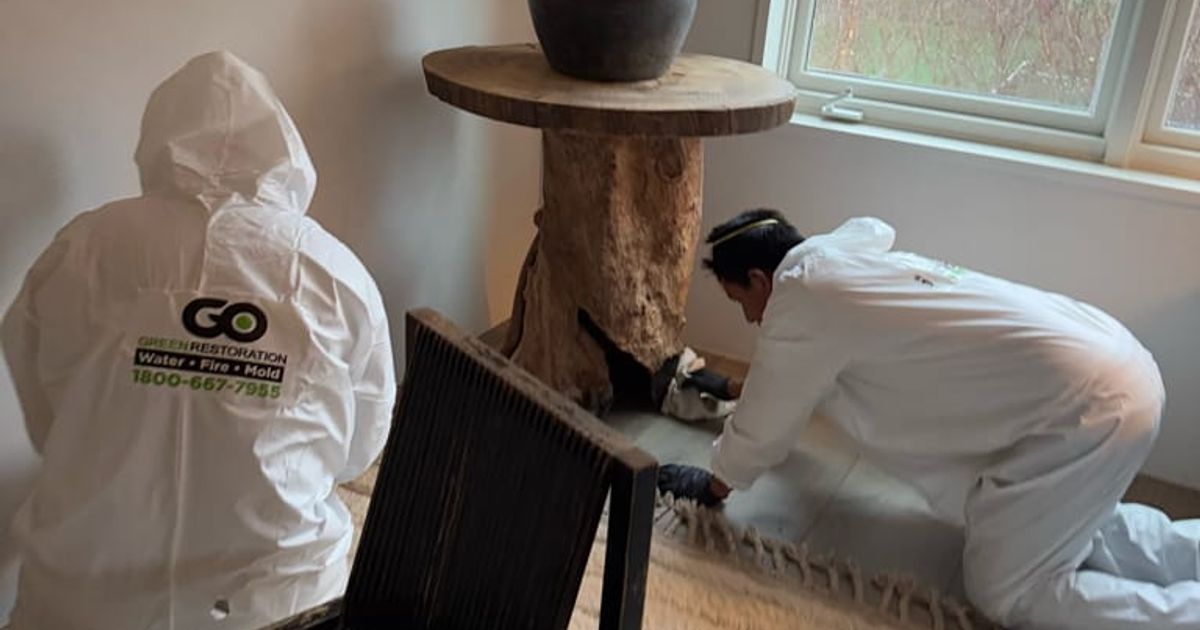
When fire damage does occur, working with experienced local professionals becomes essential. Go Green Restoration has extensive experience helping Bellflower homeowners recover from fire and smoke damage, understanding both the unique challenges of the area's housing stock and the specific restoration needs that arise in this urban environment.
Regular property maintenance and preparedness planning can significantly reduce fire risks for Bellflower homes. By understanding local geography, implementing appropriate defensible space measures, hardening homes against ember attacks, and preparing effective evacuation plans, residents can protect their properties and families while contributing to overall community resilience against wildfire threats.
Need Professional Help?
Go Green Restoration provides 24/7 emergency services throughout Los Angeles and Ventura Counties. Licensed (#1005708), bonded, and insured.