Preventing Mold Growth in Culver City: A Seasonal Guide
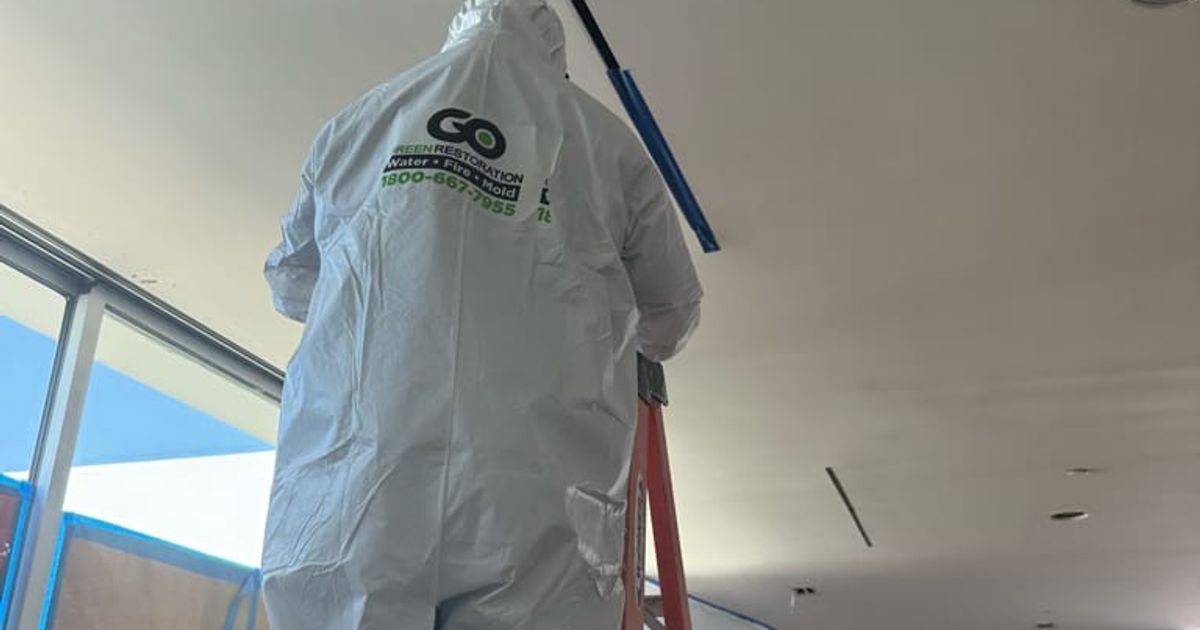
Seasonal mold prevention strategies for Culver City homes, from Ballona Creek flood zones to historic Blair Hills properties. Expert local guidance.
Culver City's unique position between the coast and inland valleys creates distinct seasonal challenges for homeowners battling mold growth. The city's Mediterranean climate, combined with its proximity to Ballona Creek and the Pacific Ocean, means moisture levels fluctuate dramatically throughout the year. Properties in neighborhoods like Blair Hills and Carlson Park face different risks than those closer to the creek or in the modern developments of Fox Hills.
The entertainment industry presence, anchored by Sony Pictures Studios, has shaped Culver City's building landscape with a mix of historic structures and contemporary facilities. This diversity means homeowners need tailored approaches to mold prevention that account for everything from 1920s craftsman homes to modern condominiums. Professional mold remediation in Culver City becomes necessary when prevention efforts fall short, particularly in older properties with aging infrastructure.
Spring Preparation: Managing Increased Humidity
Spring in Culver City brings marine layer moisture that settles into the basin, creating ideal conditions for mold growth. The temperature differential between cool ocean air and warming inland areas causes condensation in homes throughout ZIP codes 90230 through 90233. Properties in Sunkist Park and Downtown Culver City experience this phenomenon most intensely due to their lower elevation and proximity to moisture sources.
During March through May, focus on improving ventilation in bathrooms, kitchens, and laundry areas. Install or upgrade exhaust fans to handle the increased humidity that accompanies the marine layer. Check window seals and weather stripping, as older homes in Blair Hills often have gaps that allow moisture infiltration. Run dehumidifiers in basements and lower levels, particularly in properties near Ballona Creek where groundwater levels rise with spring runoff.
Inspect areas around windows and sliding doors for condensation buildup. The temperature swings common in Culver City during spring create perfect conditions for water droplets to form on glass surfaces and migrate into wall cavities. Clean gutters thoroughly before the transition to summer, ensuring proper drainage away from your foundation.
Summer Vigilance: Controlling Indoor Climate
Summer in Culver City presents unique mold prevention challenges as residents battle both heat and humidity. The entertainment industry's 24/7 operations in facilities like Sony Pictures create microclimates that affect surrounding residential areas. Air conditioning systems work overtime, and poor maintenance can lead to condensation problems and mold growth in ductwork.
Maintain indoor humidity levels between 30-50% using your HVAC system's dehumidification features. Properties in Fox Hills and newer developments typically have more efficient systems, while historic homes in Carlson Park may require portable dehumidifiers as backup. Change HVAC filters monthly during peak usage periods, as Culver City's urban environment creates additional dust and particle loads that clog systems faster than in suburban areas.
Pay special attention to attic spaces, which can reach extreme temperatures in Culver City's inland climate. Ensure proper attic ventilation to prevent hot air from creating condensation when it contacts cooler surfaces. Check for and seal any air leaks around ductwork, as temperature differentials in summer can cause significant moisture problems in poorly sealed systems.
Fall Maintenance: Preparing for Rainy Season
Fall preparation in Culver City focuses heavily on readying homes for the winter rainy season. Properties near Ballona Creek face particular challenges, as the waterway's flood history means soil moisture levels can remain elevated for extended periods. The entertainment industry's construction and renovation projects throughout the city can also affect local drainage patterns.
Inspect and clean all gutters, downspouts, and drainage systems by October. Culver City's mature tree canopy in neighborhoods like Blair Hills creates heavy leaf loads that can clog drainage systems. Ensure downspouts direct water at least six feet from your foundation, particularly important for properties built before modern drainage codes.
Check exterior caulking around windows, doors, and utility penetrations. The temperature fluctuations common in Culver City during fall can cause expansion and contraction that opens gaps in older caulking. Test sump pumps if your property has them, especially in lower-lying areas near the creek. Consider installing French drains or other drainage improvements if your property has experienced water intrusion in previous years.
Winter Protection: Managing Rainy Season Challenges
Winter brings Culver City's primary mold risk period with Pacific storms delivering significant rainfall between December and March. Properties throughout the city face different challenges based on their location and age. Historic homes in Blair Hills and Carlson Park often have aging plumbing systems that are more susceptible to leaks during cold snaps, while properties near Ballona Creek must contend with potential flooding.
Monitor indoor humidity levels closely during rainy periods, as levels can spike quickly in tightly sealed homes. Use bathroom and kitchen exhaust fans during and after activities that generate moisture, and consider running them continuously during extended rainy periods. Check for signs of water intrusion around windows, doors, and in basements or crawl spaces weekly during storm seasons.
Maintain consistent indoor temperatures to prevent condensation on cold surfaces. The temperature variations common in Culver City during winter storms can cause significant condensation problems in homes without proper insulation. Pay particular attention to areas where warm indoor air contacts cold surfaces, such as exterior walls, windows, and unheated spaces.
## Related Articles
Learn more about restoration services in Culver City:
- Mold Emergency Guide: What Culver City Homeowners Must Do When They Find Mold
- Hidden Mold in Culver City Homes: Where to Look
Go Green Restoration Inc serves Culver City homeowners with specialized knowledge of local conditions, from the unique challenges of historic properties to the specific risks faced by homes near Ballona Creek. Their understanding of the area's entertainment industry infrastructure and varied housing stock helps homeowners develop effective, targeted prevention strategies.
Develop a year-round moisture monitoring routine that accounts for Culver City's specific climate patterns. Keep detailed records of humidity levels, particularly during seasonal transitions when conditions change rapidly. Consider investing in smart home humidity monitoring systems that can alert you to sudden changes that might indicate developing moisture problems.
Regular professional inspections become particularly valuable for properties in high-risk areas or older homes with known vulnerabilities. The investment in prevention significantly outweighs the cost and disruption of mold remediation, making seasonal vigilance an essential part of responsible homeownership in Culver City's unique environment.
Need Professional Help?
Go Green Restoration provides 24/7 emergency services throughout Los Angeles and Ventura Counties. Licensed (#1005708), bonded, and insured.